Nova Scotia Photography Tour
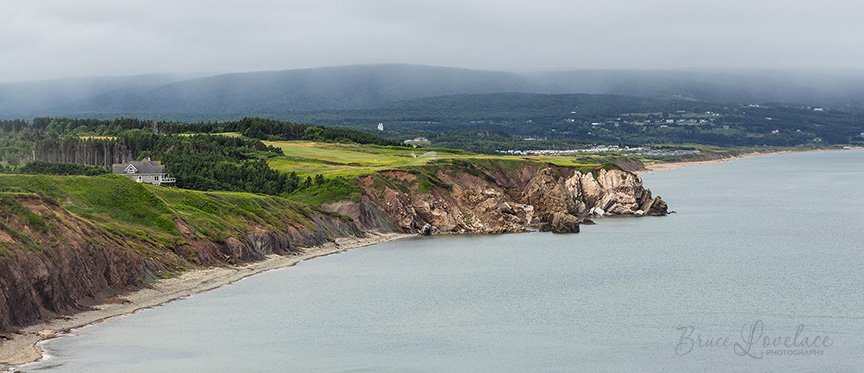 Not a drone photo, I took this image from the top of a hill
Cabot Cliffs golf course in the distant background.
Is it worth traveling to Nova Scotia with the main goal of getting some great photos? Let's find out. I'll be the first one to admit that this was not a destination on my bucket list of places to go for photography.
Our next door neighbors had visited Nova Scotia over 40 years ago and suggested a return visit. Their descriptions of the unique geology intrigued me and we were able to book a direct flight from nearby Philadelphia to Halifax.
Enjoy this photographic tour of Nova Scotia and Cape Briton island and discover the best locations for stunning photos. The photos posted in this article are what I judge to be the best images I made during the week we were there. Here are some of the great subjects for you to photograph Nova Scotia when you visit.
Subject: Peggy's Cove
Our first stop, Peggy's Cove, was a short drive from the airport, Located on the eastern shore of St. Margaret's Bay. Not only was it our first photo spot, but it turned out to be the location where I took the most photos.
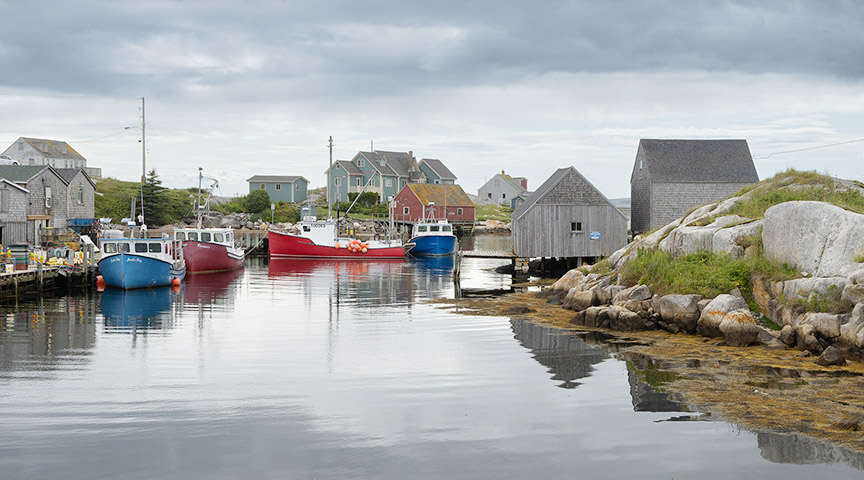 Boats in Peggy's Cove, Nova Scotia
Peggy’s Cove, in Nova Scotia, was formed through a multi-stage geological process involving ancient tectonic plate collisions, underground magma cooling, and intense glacial activity. The resulting rocky landscape surrounding the lighthouse gives you lots of opportunities to practice your composition technique and grab some interesting photos.
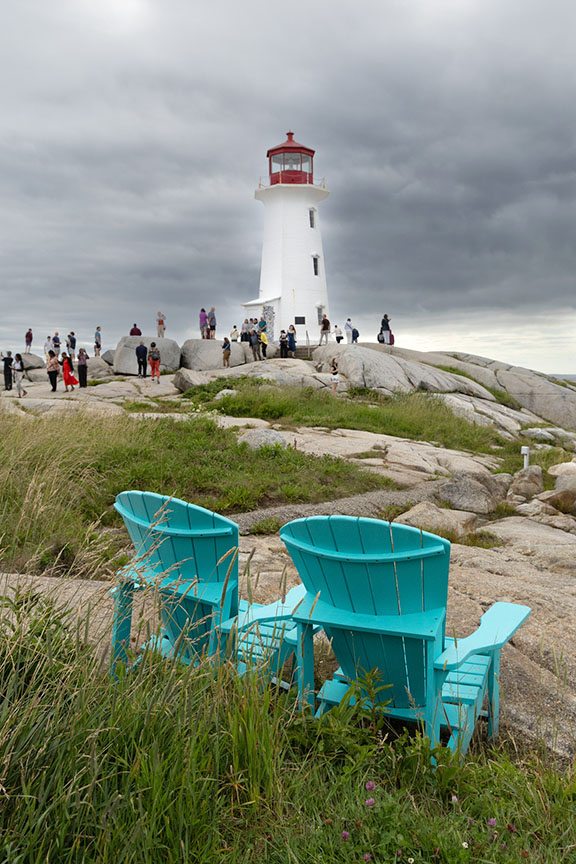 Peggy's Cove Lighthouse With Chairs
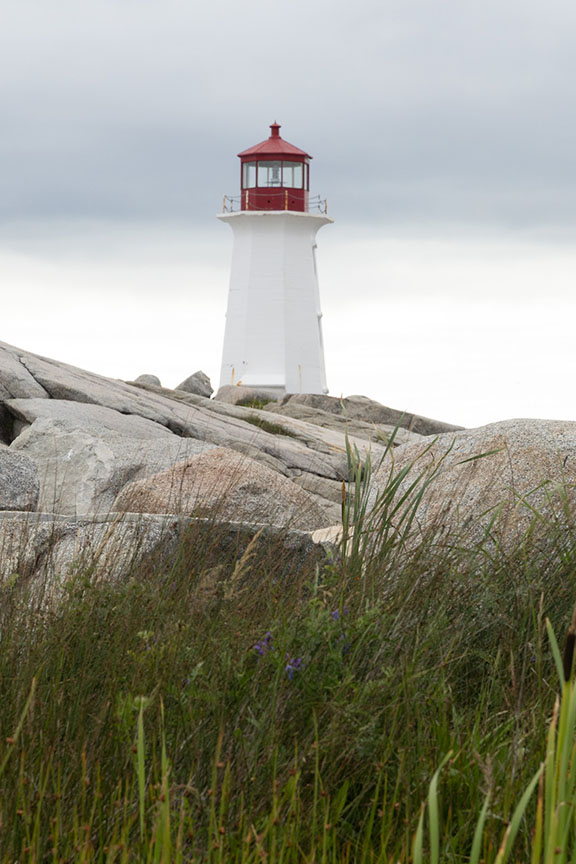 Peggy's Cove Lighthouse From a New Angle
The best time to photograph the lighthouse at Peggy's Cove lighthouse and get a dramatic photograph is sunrise or sunset on a NON-cloudy day. I had none of the above going for me, but I still enjoyed the experience of visiting and photographing this photo hotspot in Nova Scotia.
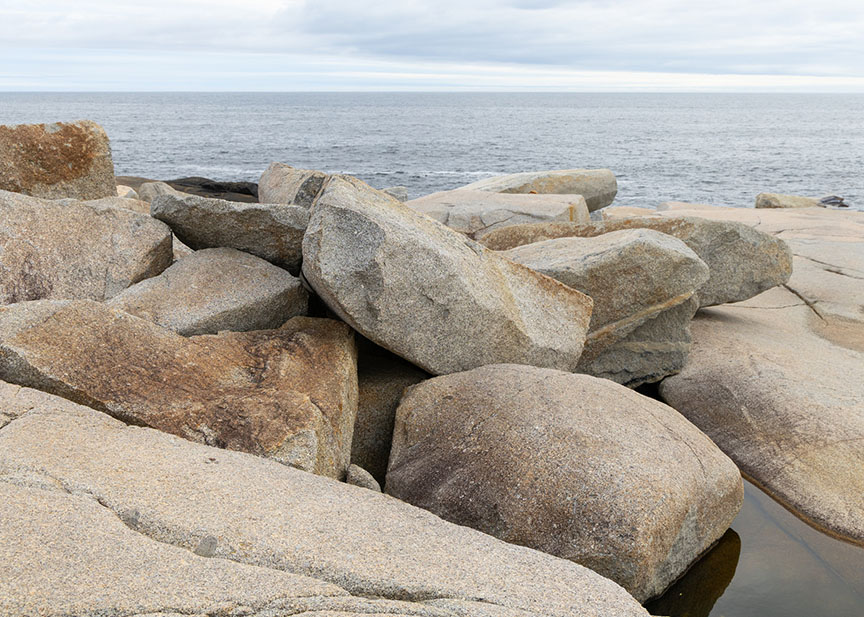 Rocks at Peggy's Cove
I enjoy looking at the various tones, textures, and shape of rock slides like this one I photographed above.
I was intrigued with the abandoned house at Peggy's Cove below and though it would make a good photo. You can hold your mouse cursor on and off to see the subject in both color and or black and white.
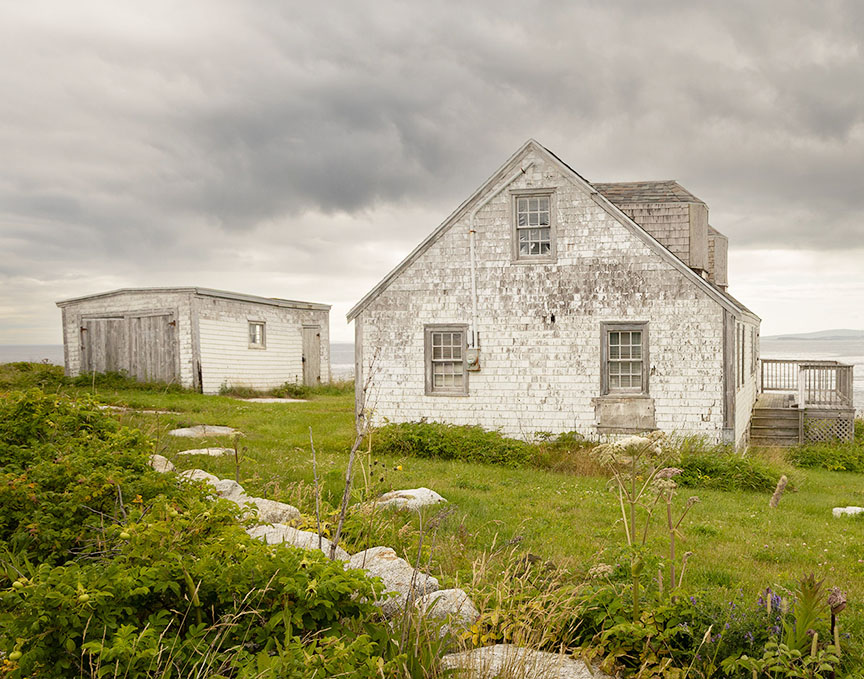
Let me know which photo above you like better.
The rocky shoreline below reminds me of another, somewhat similar, coastline that's nearby, Mount Desert Island and the Schoodic Peninsula, Acadia, Maine
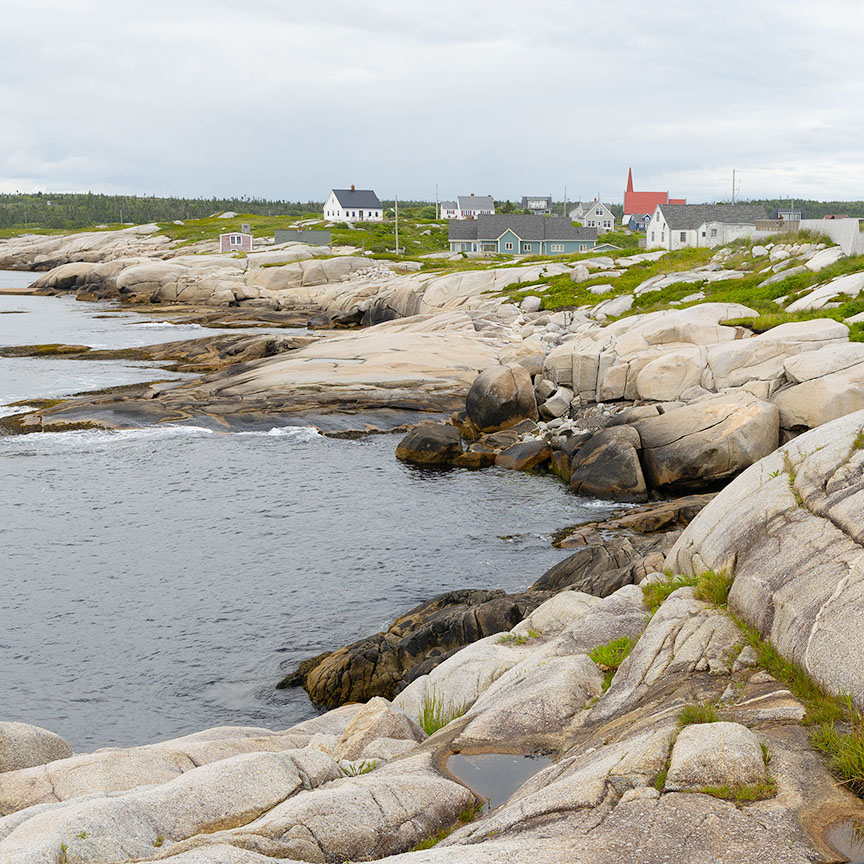 Rocky Coast of Peggy's Cove
Subject: Alumni Gardens, Truro, Nova Scotia
Just a little North of Halifax, not far from where Rt. 104 and Rt, 102 intersect, is Truro and the beautiful Alumni Gardens. It Alumni Gardens started as a Plant "Stress Test" Center: The gardens weren’t originally built for aesthetics. The site began as a rugged research nursery where experts brought exotic plants to Truro to test their survival skills and winter hardiness against harsh Canadian conditions.
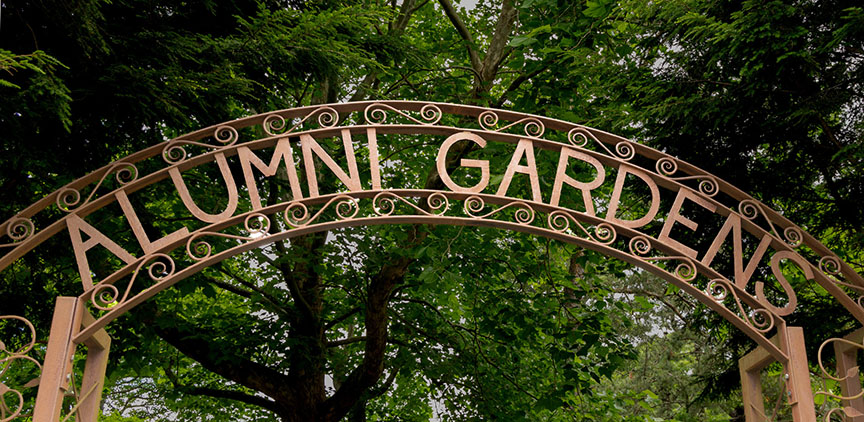 Alumni Gardens, Truro, Nova Scotia
There are several picturesque entrances that make for interesting photographs and can serve as a gateway to your memories from your walk in the garden.
Built entirely by students, most every landmark within the garden was a past homework assignment. Engineering technician students built the famous gazebo shown below. It was a mid-1980s class project,
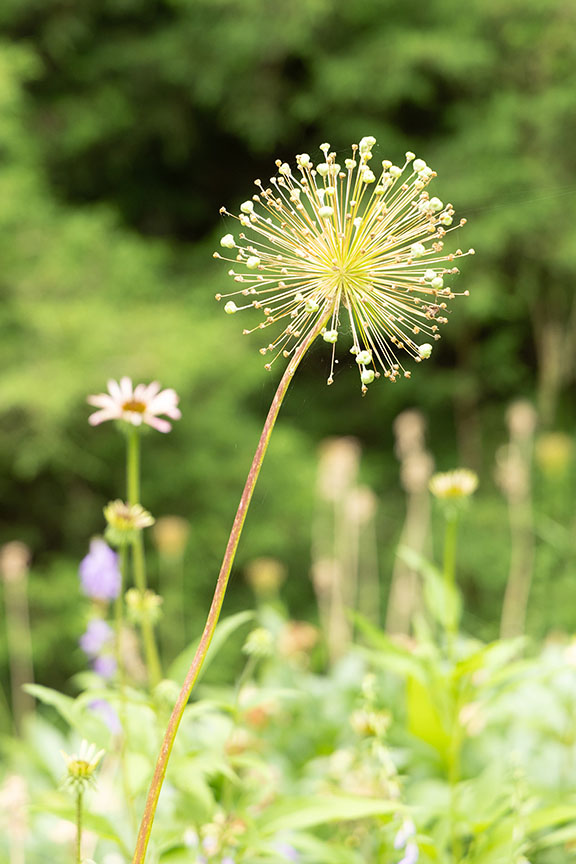 Alumni Gardens Flower
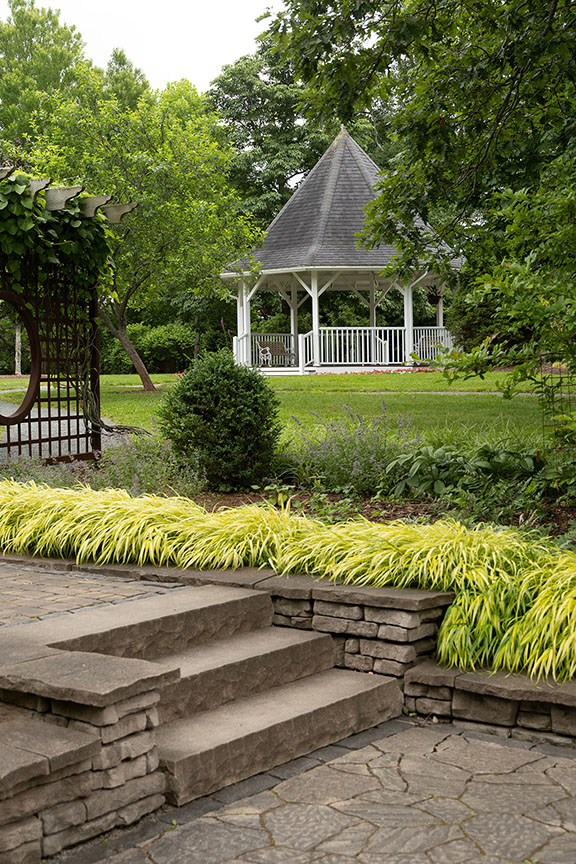 Alumni Gardens Gazebo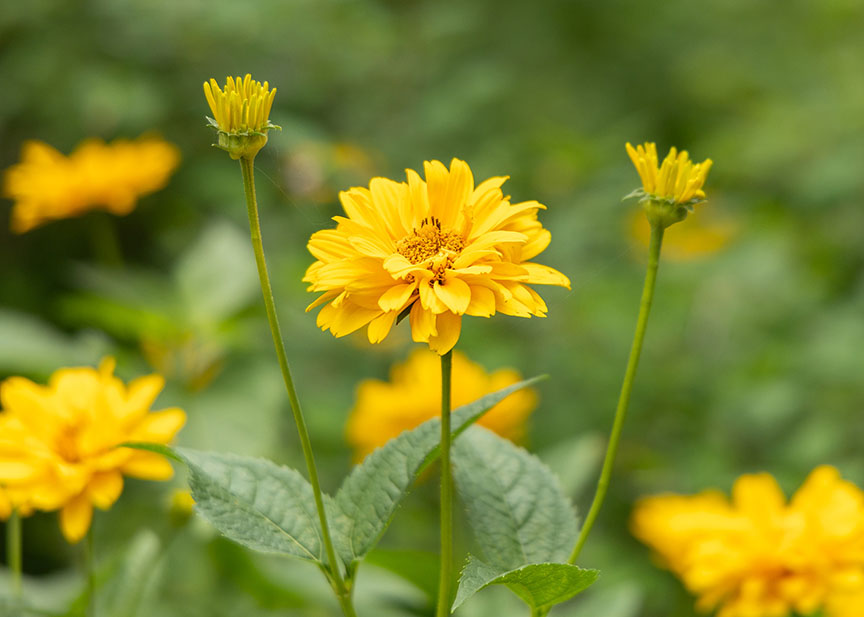
The Alumni Gardens in Truro gives you a number of opportunities to practice your macro photography.
Subject: The Beaches
Nova Scotia has tons of beaches to explore, each with it's own personality and features.
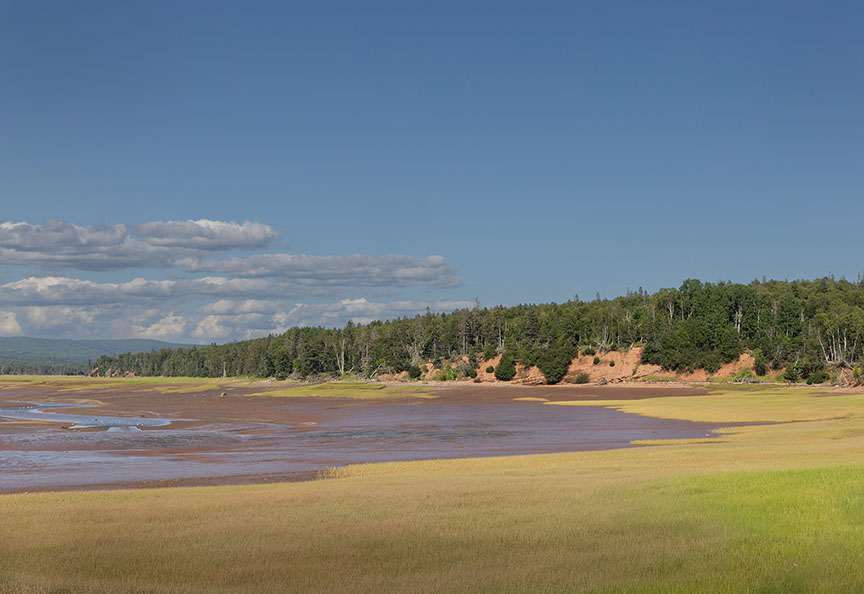
Some of the beaches in Nova Scotia have the right conditions for grasses to grow.
Other beaches have medium-sized rocks that dominate.
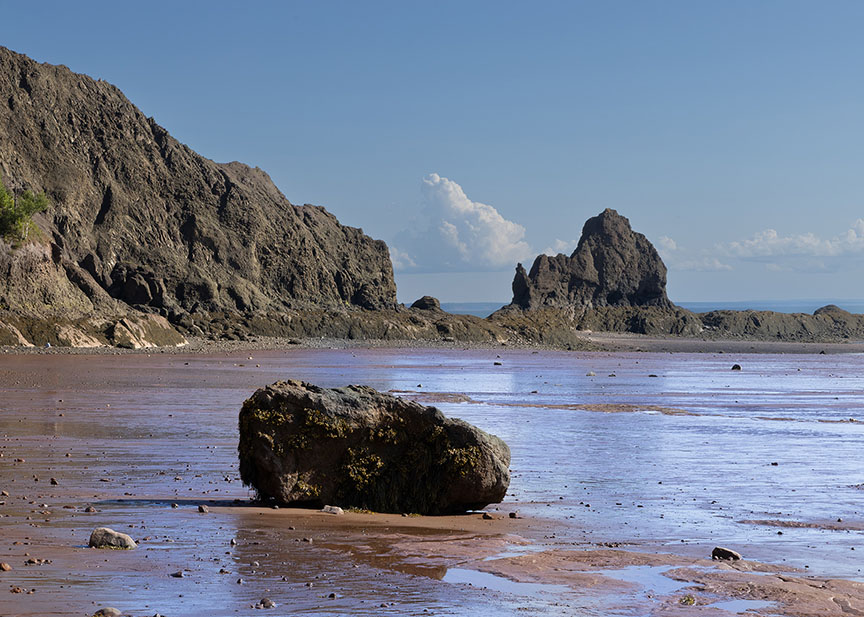 Rocky Nova Scotia Beach
Some of the beaches have large boulders that feel oddly out of place as if they had been placed there by man.
Other beaches are comprised ov sand left over from the erosion of the cliffs and the pounding of the ocean waves.
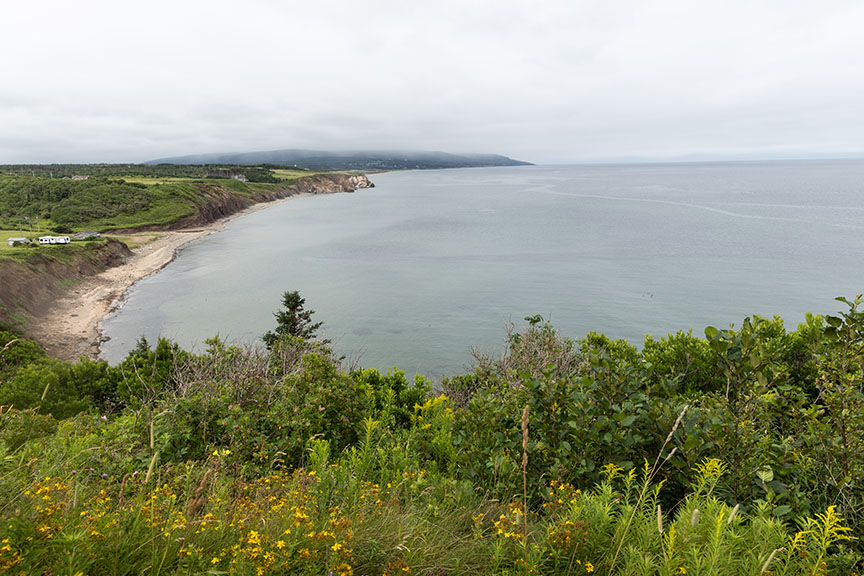 Nova Scotia Cliffs and Beach
Some of the beaches we visited have small colorful stones that have smoothed and polished over the centuries.
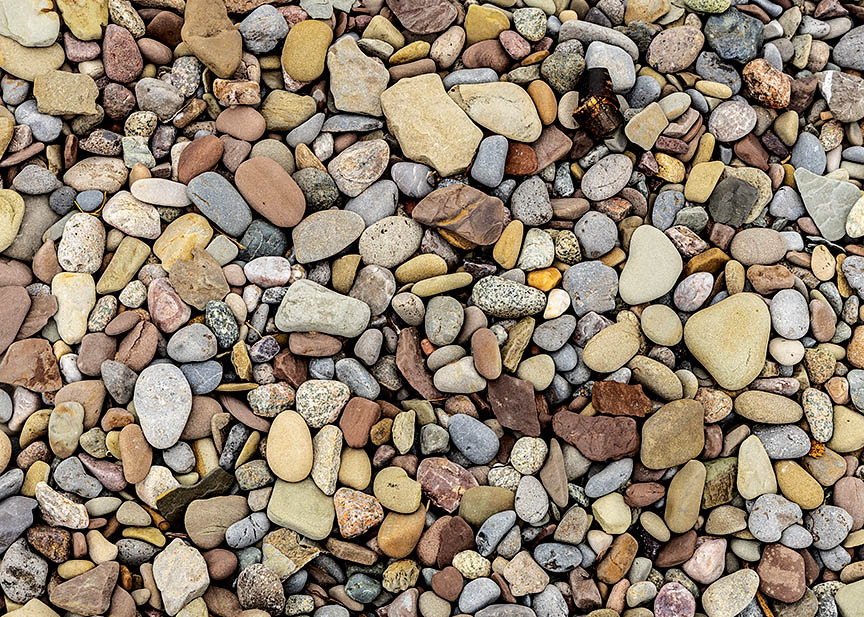
The many beaches we visited provided an immense diversity of subjects to photograph.
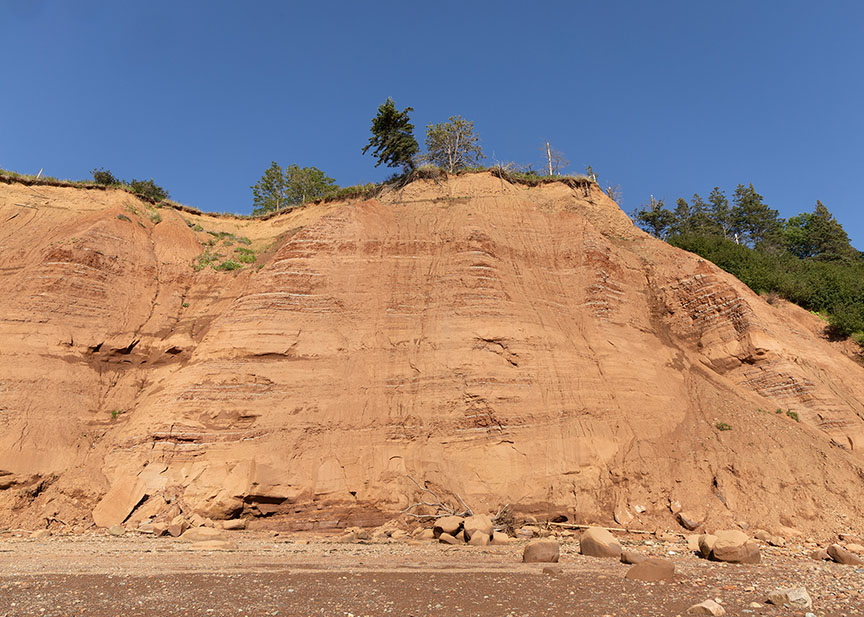 Erosion Cliffs in Nova Scotia
Wide Angle Lens Setting
Finally. We did have a few occasions where the clouds departed and we got some blue sky to include in our photographs.
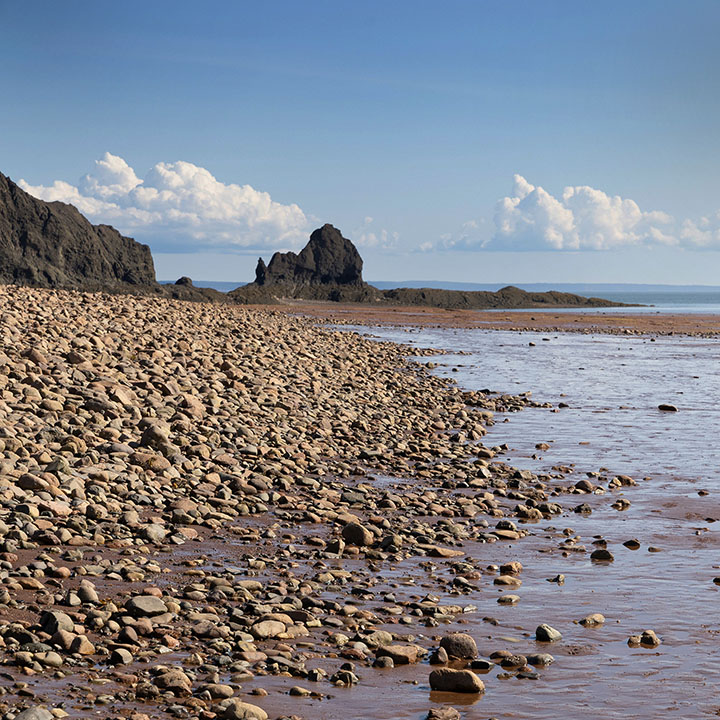 Rocky Beach In Nova Scotia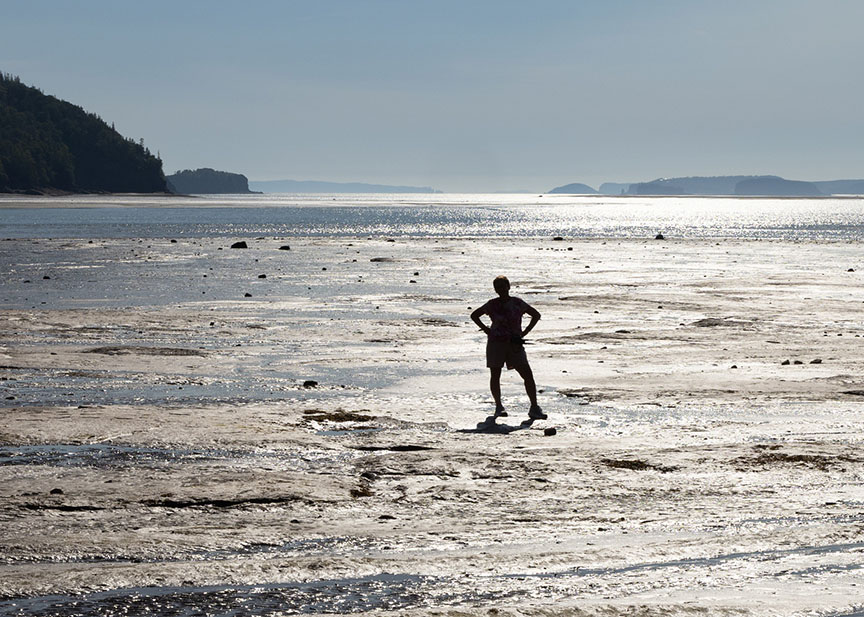
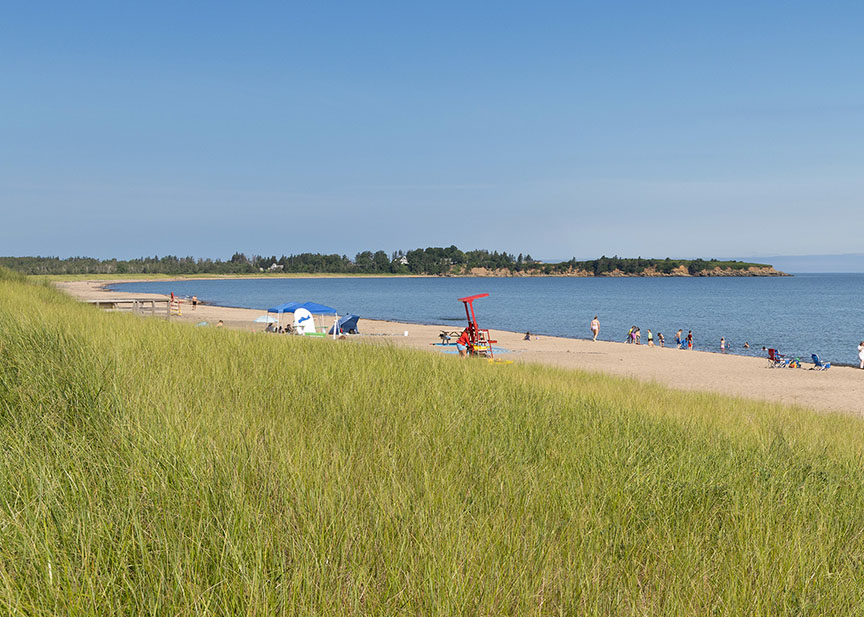 Finally! A Fully Sunny Scene at Melmerby Beach, Nova Scotia
Subject: The Lighthouses
In addition to the lighthouse at Peggy's Cove mentioned earlier, Nova Scotia has around 150 to 185 lighthouses, depending specifically on how they are counted.
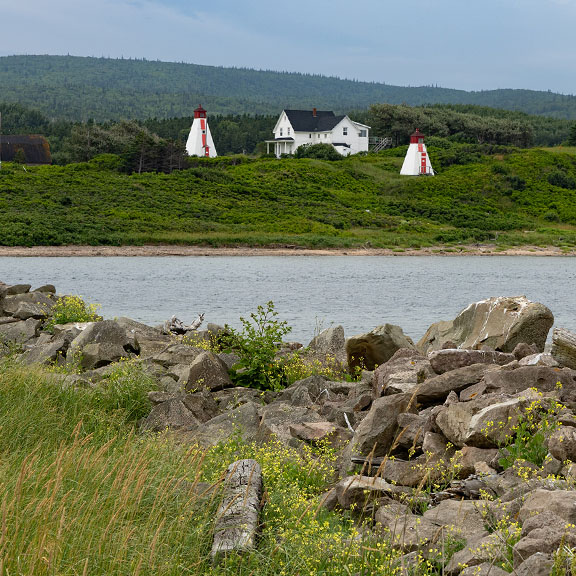 Two Nova Scotia Lighthouses
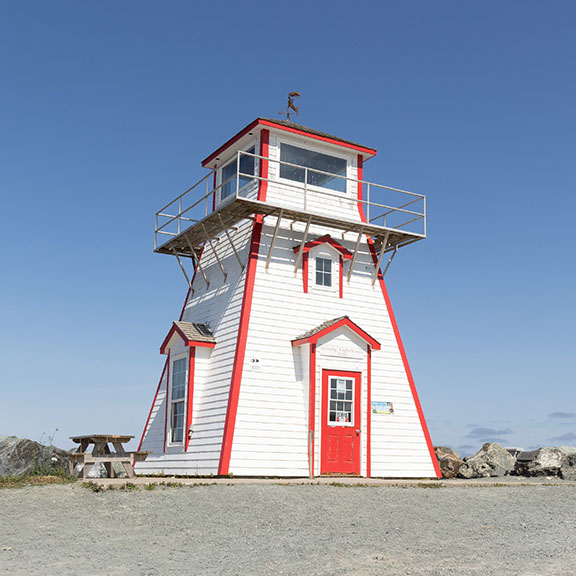 Red-trimmed Lighthouse
If you're a lighthouse geek you could easily spend a month chasing down and photographing lighthouses in Nova Scotia.
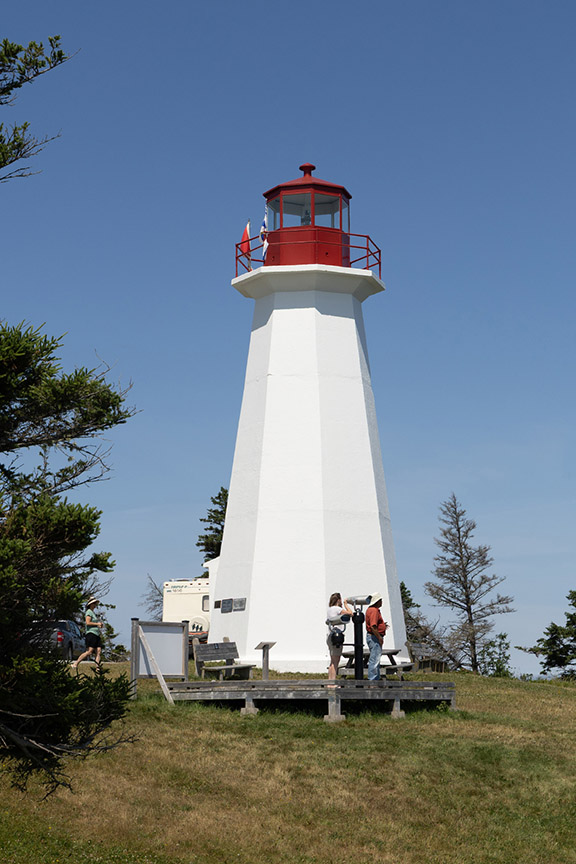 Cape George Lighthouse
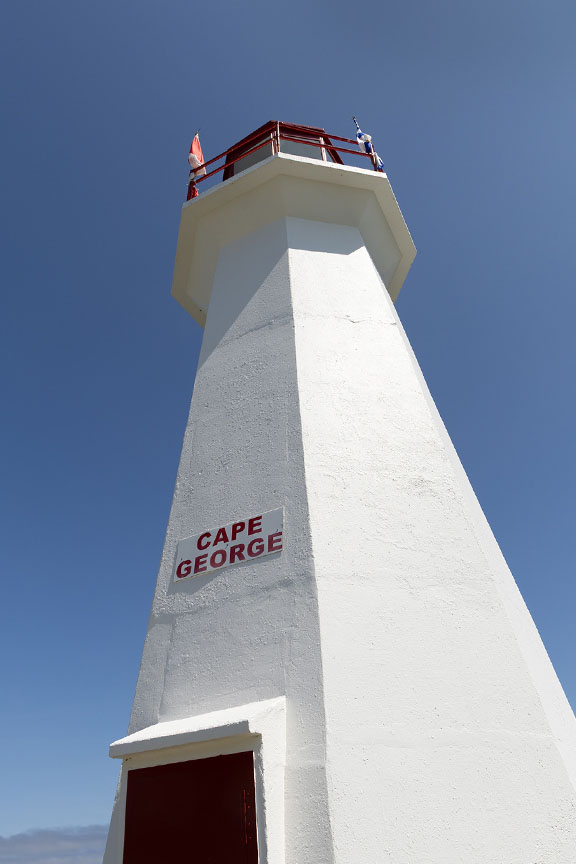 Cape George Lighthouse, Up-close
 Subject: The Bay Of Fundy And The Tidal Bore
Likely the most remarkable feature you can witness first hand when you visit Nova Scotia is the speed and size of the tidal flow of water as it comes into the Bay of Fundy.
Tidal Bore at Fundy Discovery Site.
Truro, Nova Scotia
World's Highest Tidal Surge
Canada's Bay of Fundy
Taking a stunning photo of the dramatic, famous tidal bore is very challenging, but it's well worth the journey to experience it in person. I created the image below using AI so that you can see the effect more dramatically than we did during our visit.
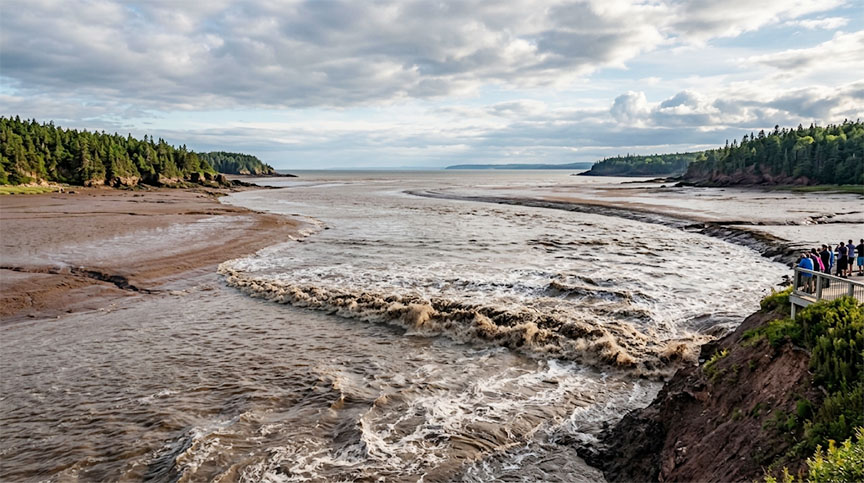 The tide comes in so fast that it appears to be a river.
It clashes with the stream flowing in the opposite direction and creates cresting waves.
Subject: Burntcoat Head Park
Truly, at times exploring this area felt like I was walking on another planet. At Burntcoat Head Park you're visiting the location of the world's largest tide. One of the unique features to photograph is the sea stacks at Burntcoat Head Park in Nova Scotia. Striking red sandstone pillars are exposed on the ocean floor during low tide.
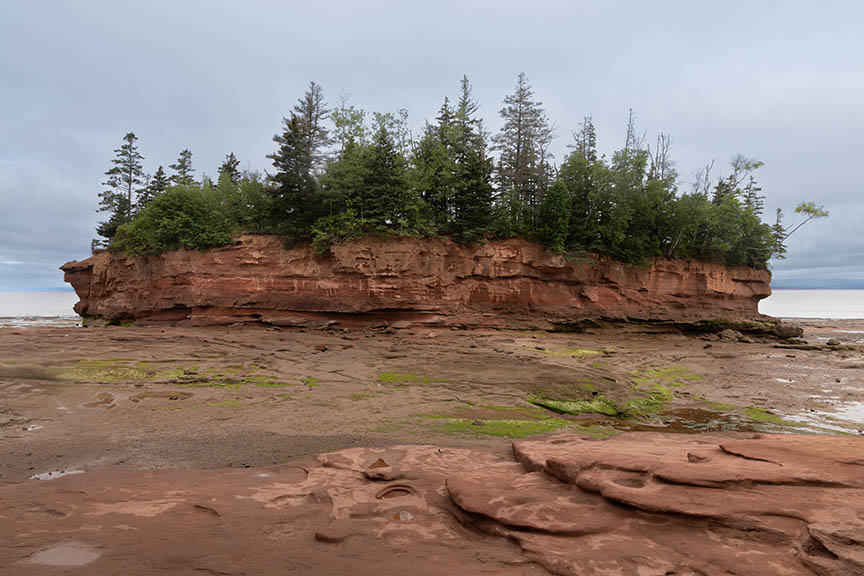 Burntcoat Head Park
You can walk on the ocean floor when the tide is out.
Once again, the lighting did not provide optimum lighting, but the subject mater made up for the disappointing weather conditions.
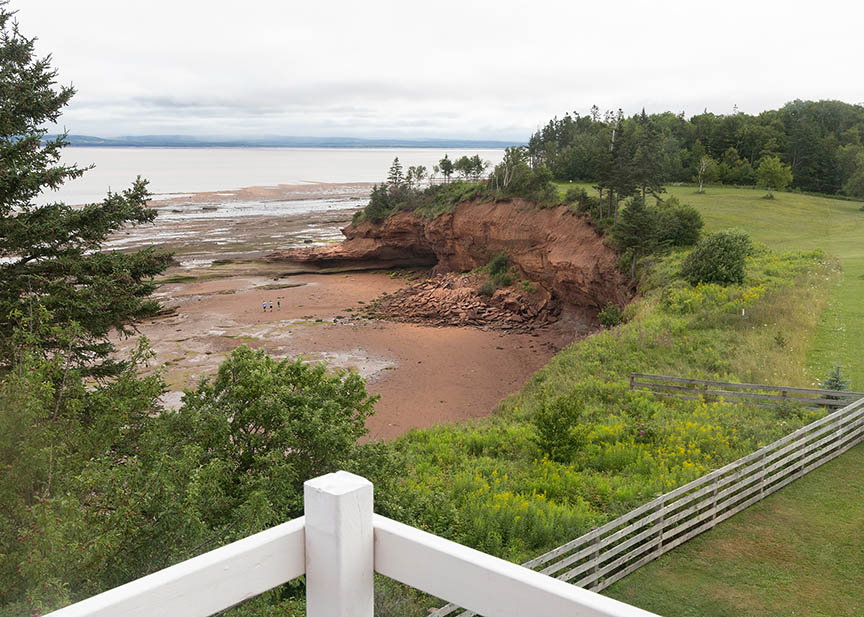 Fascinating Erosion
View From Top Of Burntcoat
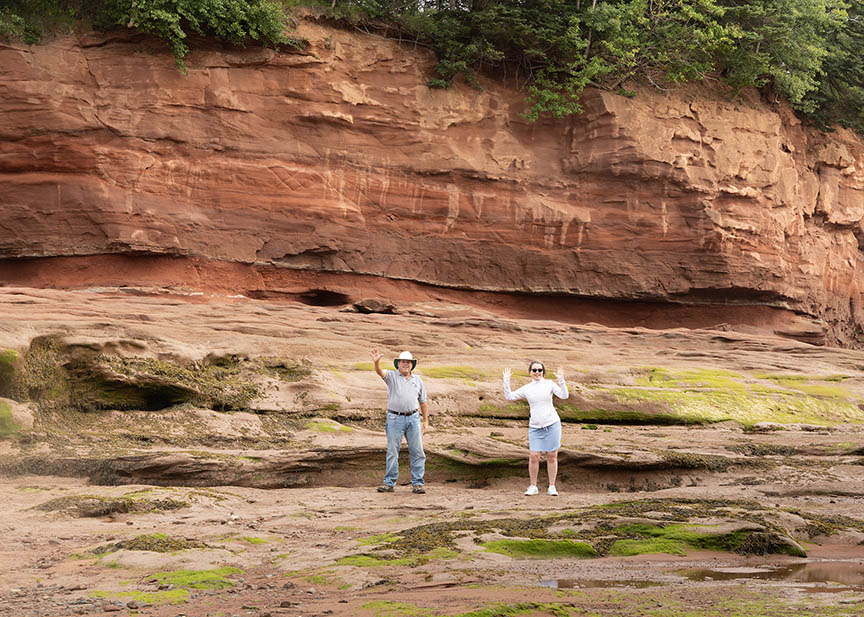 Can you imagine a 53 foot tide?
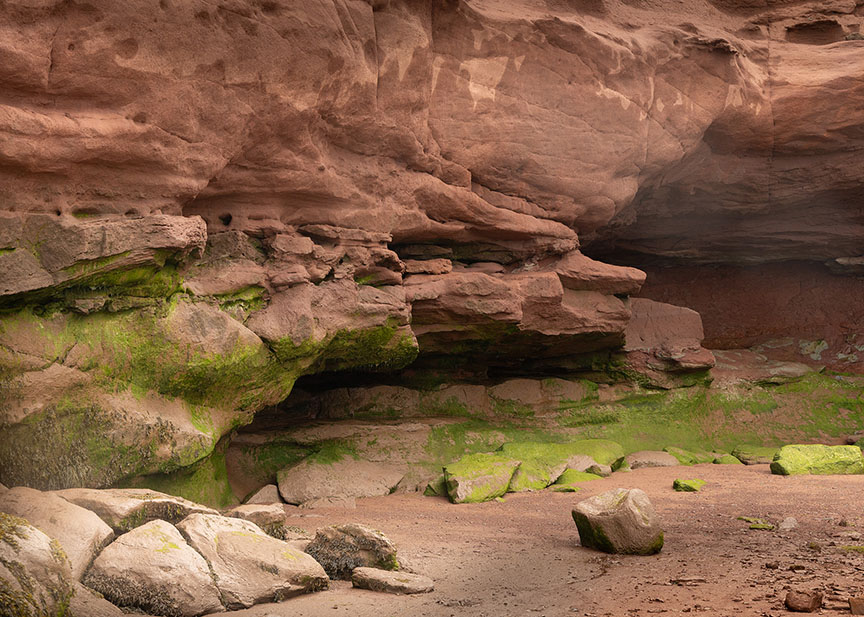 I wanted to ask myself:
What planet this is?
The trees and vegetation on the top of the cliffs, the eroding soil and rocks, and the seabed made for an interesting composition for several of these landscape photos.
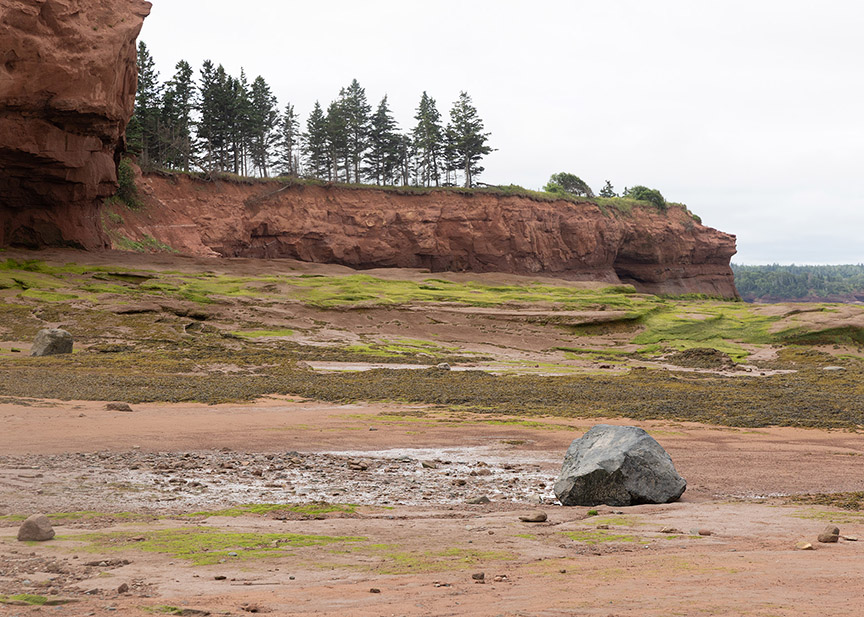 Burntcoat Cliffs
The patterns formed from erosion are fascinating
Subject: Fort Anne
Fort Anne was one of the most fought over forts in Canada between the British and French in the 17th and 18th centuries. Overlooking the Annapolis River in the historic town of Annapolis Royal, the grounds are open year-round and free to walk. The museum is open mid-May to Thanksgiving.
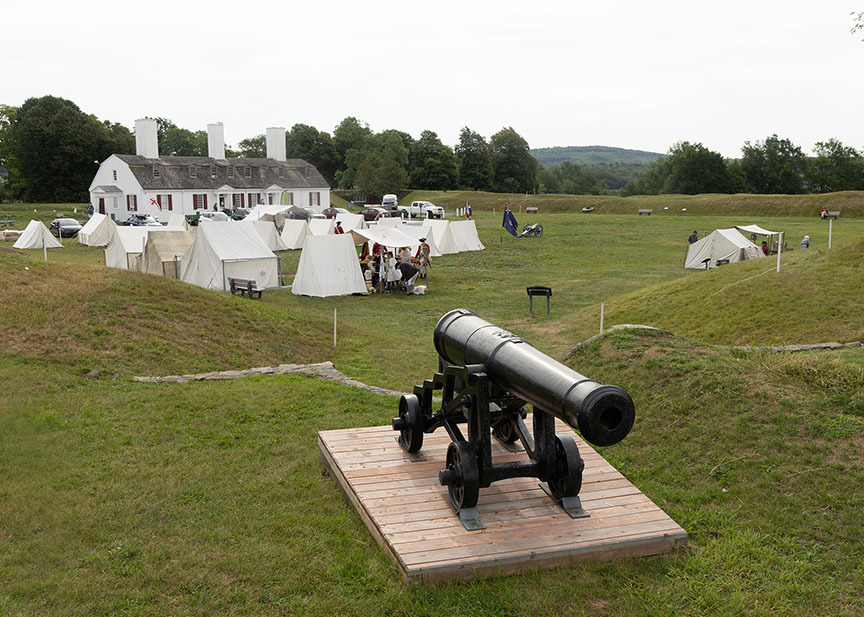 Fort Anne, Fort Anne in Annapolis Royal.
Just before a reenactment/memorial service.
Fought over by the Indigenous Mi'kmaq, French, Scots, and British, the fort changed hands between France and Britain 7 times.
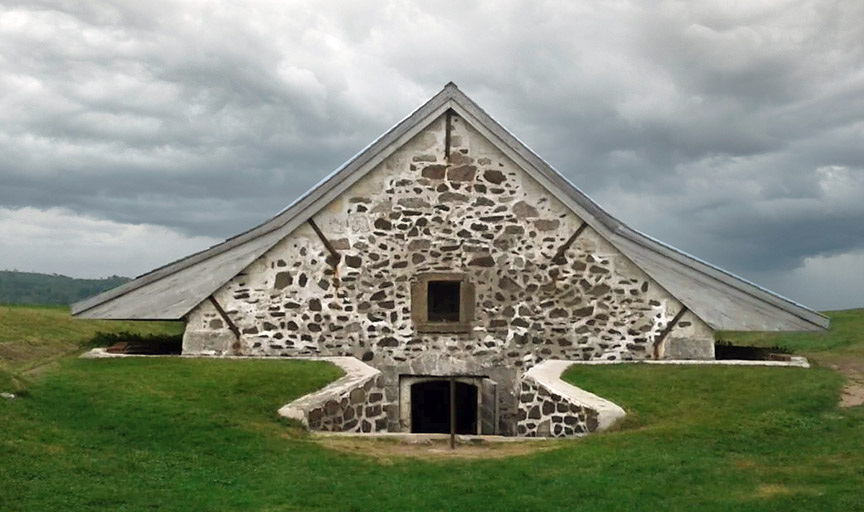 Powder Magazine
The powder magazine building relaced the black hole underground storage pictured below, Canada’s oldest military building and the oldest structure managed by Parks Canada.
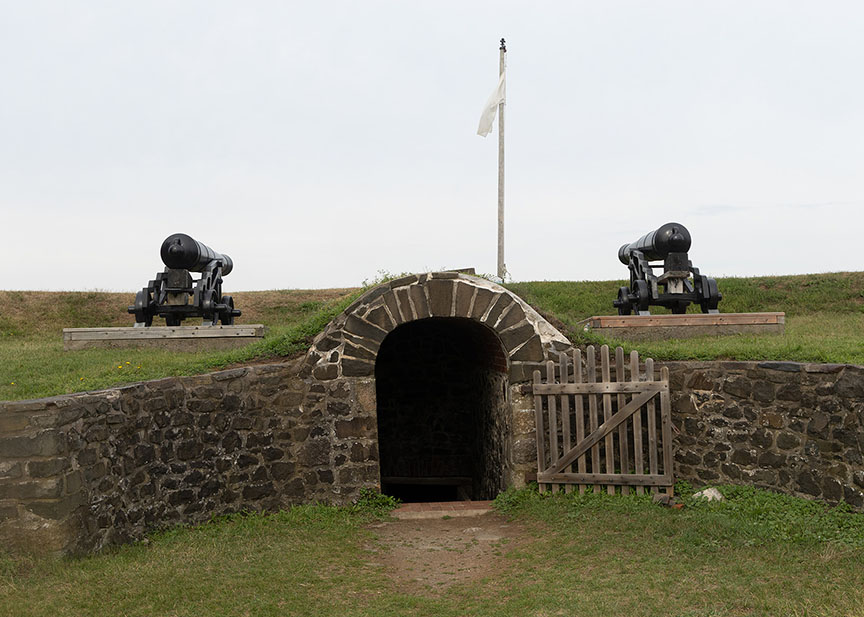 Fort Anne Powder Black Hole
Inside the Powder Magazine building were stacks of powder kegs which made for an interesting close-up. detail photo.
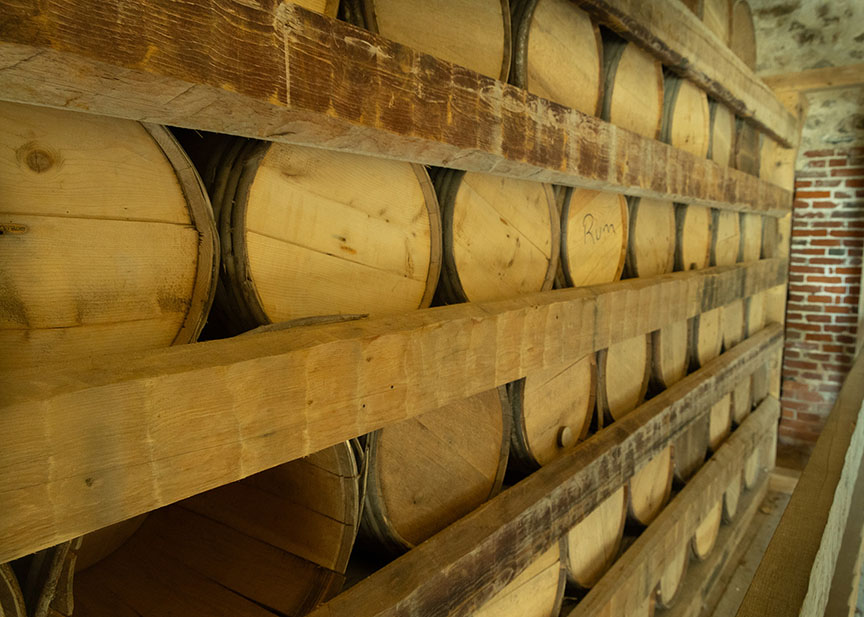 Powder Kegs
Sometimes getting an interesting photo is just a matter of showing up and having your camera with you. We lucked out with the timing of our visit to Fort Anne. We witnessed a full military uniformed reenactment and memorial service in the middle of the fort.
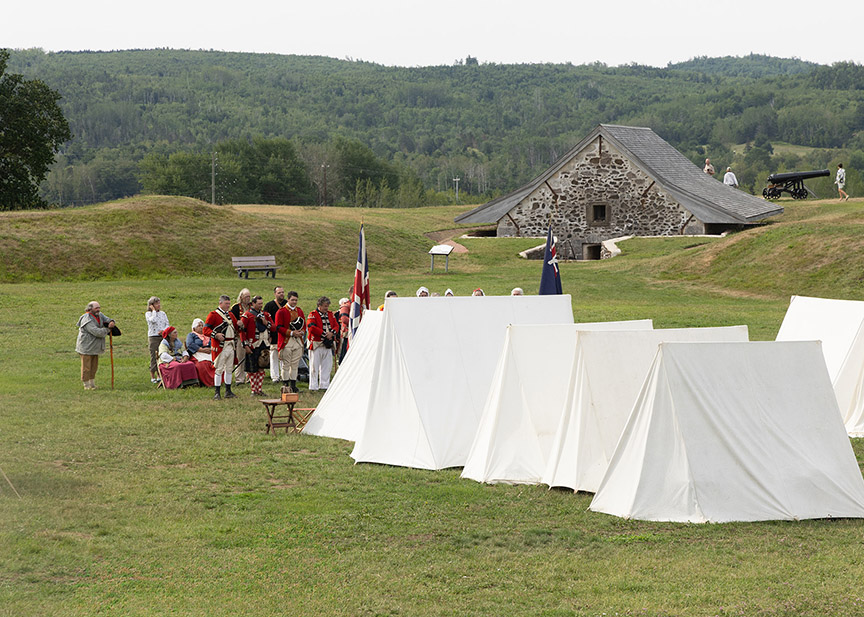 Memorial Service
Reenactment
Nova Scotia Photography Tips
Here are 6 of my helpful tips of getting the best photos of Nova Scotia
1. Equipment For Shooting
While cell phone cameras are remarkably advanced and super convenient you can't beat the quality and versatility of using a dedicated digital camera and a full range zooming lens.
A camera with either a 1 inch, APS-C, or full frame sensor will give you the best results with all subjects and lighting conditions. A wide angle to telephoto zoom lens will enable you to shoot vast landscapes and details shots of the variety of scenes you'll photograph.
2. Bay Of Fundy/Tidal Range
Timing & Best Location: The Bay of Fundy is likely the most sought after attraction in Nova Scotia. You'll experiences the highest tidal range on Earth. Locations like Halls Harbour, Burntcoat Head Park, or Five Islands look completely different every 6 hours as the tide comes in and goes out.
3. Fall Colors
Target the Cape Breton Highlands during late September and the first two weeks of October. The stunning coastline elevations gives you a dramatic contrast between a hopefully blue sky, the warm tones of the autumn foliage, and the blue Atlantic ocean.
Vibrant fall foliage on the Cabot Trail, lower sun angles for extended golden hours, and thinner crowds are appealing.
4. Night Time Star Photography
Nova Scotia has remarkably low light pollution at night provided you're not too close to Halifax. This makes it a great location for photographing the night time sky, including the Milk Way. Timing it during a new moon will enhance your results.
You'll need a tripod to hold your camera steady for the long exposures. Night Time Photography Tips. Kejimkujik National Park (an official Dark Sky Preserve) or the remote clifftops along the Cabot Trail give you crystal-clear views of the core of the Milky Way rising over the ocean.
5. Timing the Tide
Nova Scotia has the most dramatic tide ranges in the world. Pay attention to timing the tide's influence on the vistas you come across as you travel.
Tide levels dramatically change how light hits the coastline and what geological features are exposed—especially in the Bay of Fundy, home to the world’s highest tides. Plan compositions around tidal cycles to capture exposed ocean floors or full high-water reflections.
6. Nova Scotia Photography Lighting
In addition to flying directly to Halifax to get to Nova Scotia you can take a Ferry from Bar Harbor, Maine, to Yarmouth. I hope you enjoyed this sampling of my photos of Nova Scotia, it's unique terrain and geology. See the sitemap for a list of all of the other unique destinations that I've been fortunate to photograph.

Bruce Lovelace is the publisher of TravelingPhotographer.com. Bruce shot portraits full time for over 35 years. Now he shoots more travel photography. Read more about him on the About Page. He also publishes how to articles and camera gear reviews at the Photography Tips and Canon Geek websites.
The Traveling Photographer Location on Google My Business
You might like these
Travel Photography-Photos by Bruce Lovelace-The Traveling Photographer
Images and stories of "The Traveling Photographer" by Bruce Lovelace.
From Sandy Shores to Epic Shots: Master Beach Photography Today How To
"Waves, Light, and Perfect Moments: Unlock the Secrets of Breathtaking Beach Photos. How to shoot the 5 types of beach photography
Travel Photos at Penn State. Photography Of The Happy Valley campus
Travel photography by Bruce Lovelace-The Traveling Photographer. Travel photos at Penn State University and Happy Valley




© 1993-2026 All images and content are copyrighted
The Traveling Photographer - 124 Magnolia Ave. Pitman NJ 08071