My Nature Photography Course At RIT
My Nature Photography course at RIT was my favorite class. Although I made a living shooting portraits, I only took one course on shooting portraits. Now, over four decades later in my retirement, I' sharing these images of the natural world . Let's dive in!
Everything I shot was 35mm slides so I had to be accurate in my composition and my exposure. Unlike with digital photography, no retouching was possible. These images were taken in the fall of 1982. If you do the math you'll realize that these photos were taken about 45 years ago. I've used a slide copying kit to convert them to digital format.
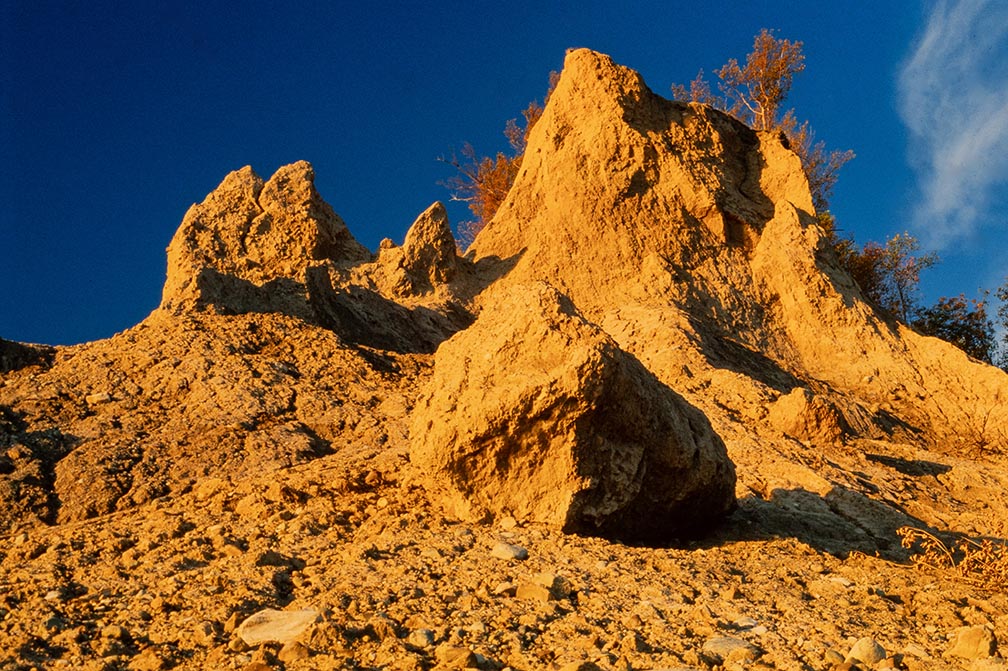 Looking up at the geological formation made me fee like I was on another planet.
Chimney Bluffs State Park
Lake Ontario, 1982
Only about an hour's drive from photography school was Chimney Bluff's State Park, located on the sothern shore of Lake Ontario. I was fascinated by these geological marvels looked and spent several hours shooting photos at this unique location.
"If you ever need proof of magic, just look at the way nature mixes her colors. The world is drenched in shades of autumn fire, deep ocean sapphire, and dawn-blushed pinks that no human canvas could ever quite capture."
Sunrises and sunsets are likely the most photographed subject when it comes to capturing the plethora of colors that nature gives us. This is one of my favorites of all the sunrises and sunsets I've photographed and it happened a long time ago.
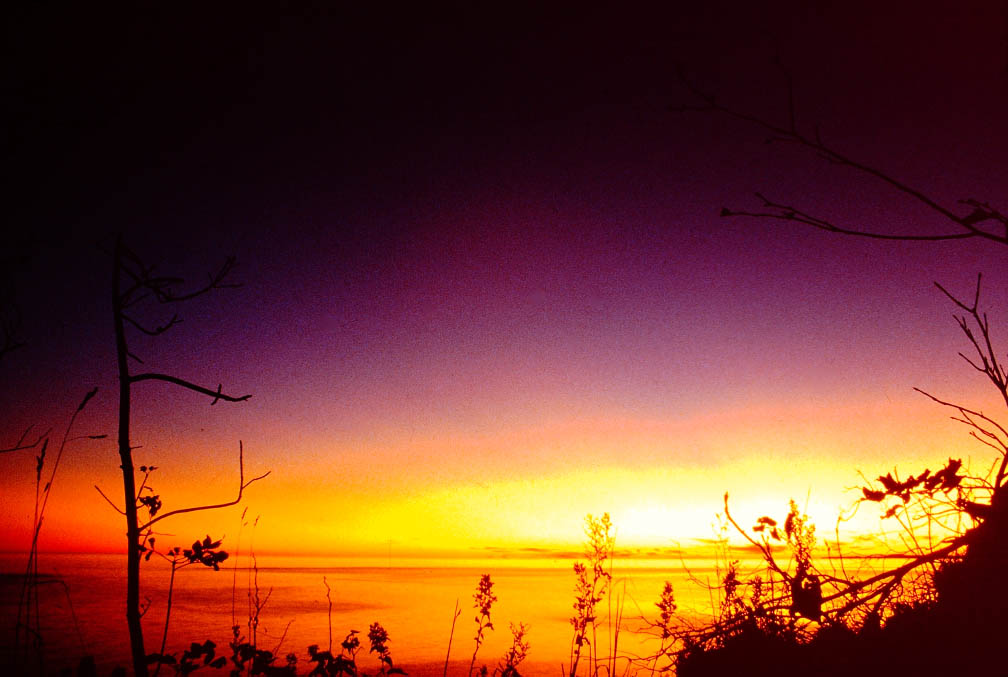
Witnessing the range of colors that nature presents to me is often a magical experience and the scene above was no exception. Although I had a little blur of the vegetation in the foreground I was happy to have been able to get this shot. Of course, the toughest part of shooting Ektachrome slide film was the wait for the processing to be completed so that I could see what I actually captured on film.
Both of the shots below from my nature photography class at RIT reveal one of the themes I seemed to explore early on in my photography journey. The idea of finding individual subjects and composing the photo so that they are visually separated from the rest of the photo, often times from contrasting it with visual repetition in the background.
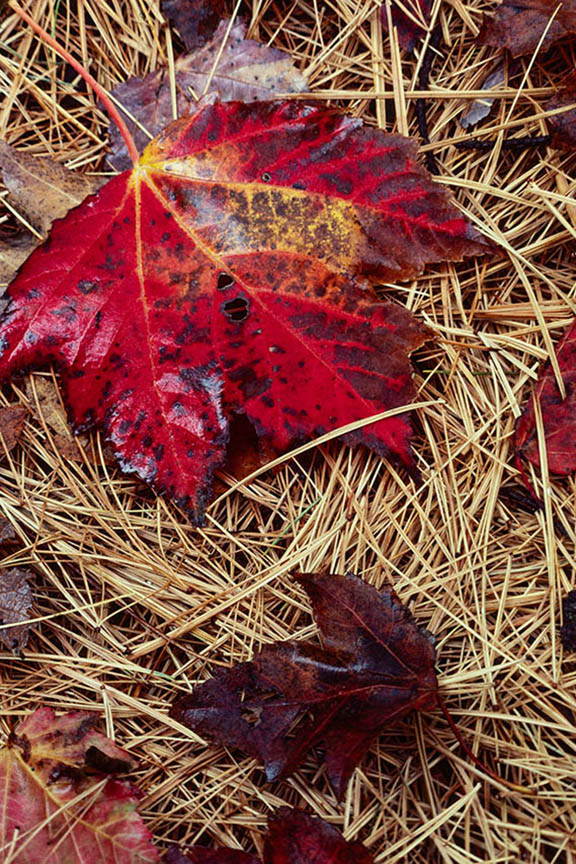 Red Maple And Pine Needles
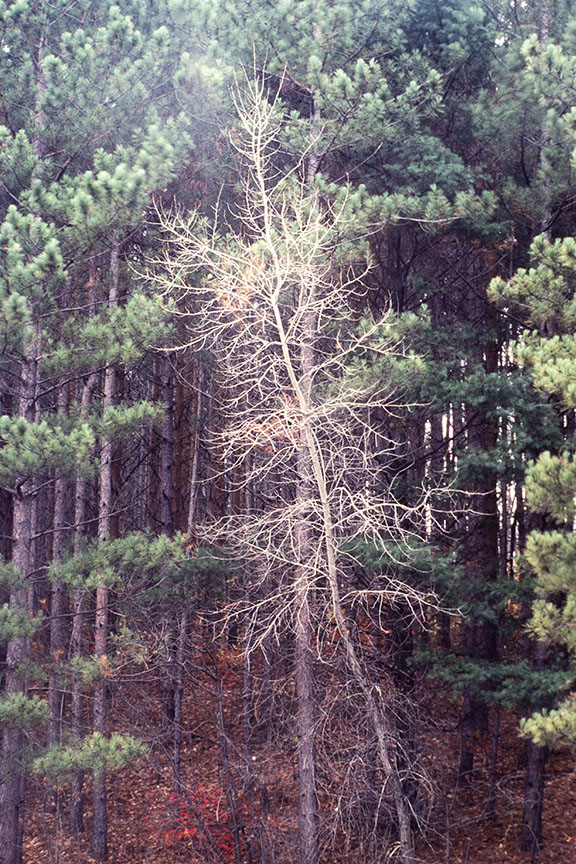 Solo Against The Trees
When I'm out in nature I look for opportunities to shoot both distant, scenic landscapes and close-ups.
Textures And Patterns in Nature Photography
One of the other visually appealing aspects for me with nature photography is the appearance of textures and patterns. You'll see this ideas in several of the following images.
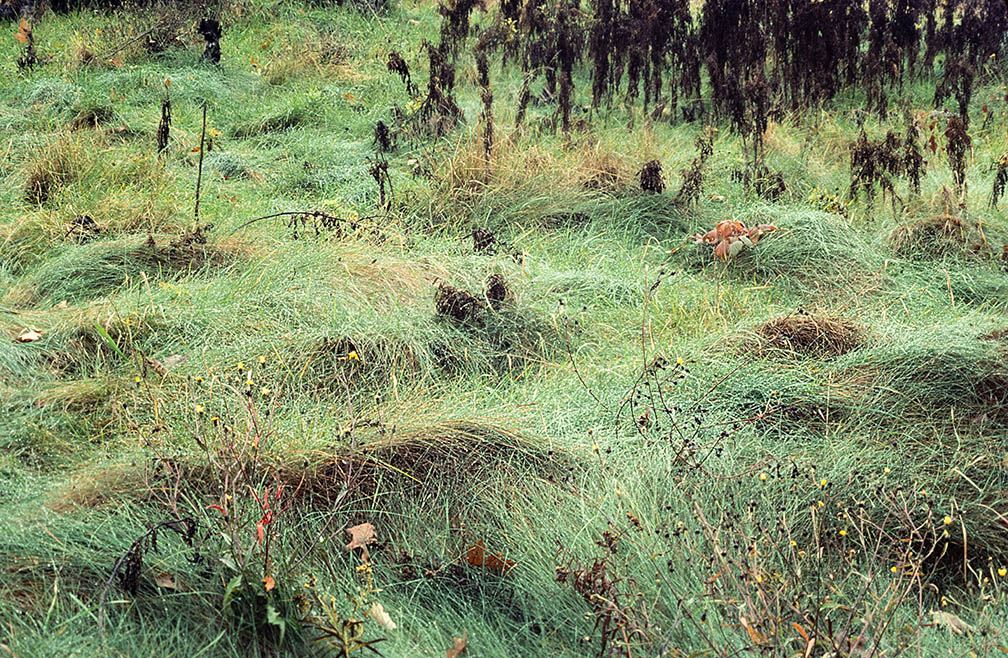 Textures in Grass
I asked AI to interpret the photo above and here is what Google Gemini came up with:
This landscape is a dimensional masterpiece, where undulating, dewy mounds of clumpy grass create a soft, rolling topography that seems to invite touch. This lush surface is dramatically punctuated by the dark, complex, skeletal patterns of dried weeds, forming a compelling play of soft, wirey, and coarse textures.
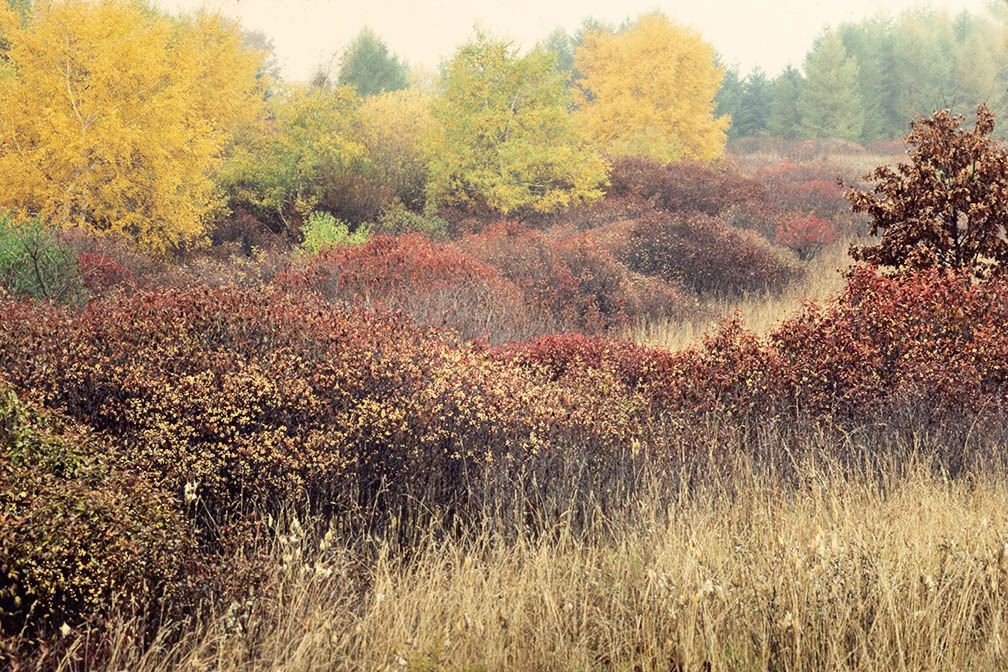
For our benefit nature paints with a textured brush, layering soft, feathery textures of dried golden grasses against deep, velvety maroon mounds, all backed up by faintly painted yellow and green trees in the distance.
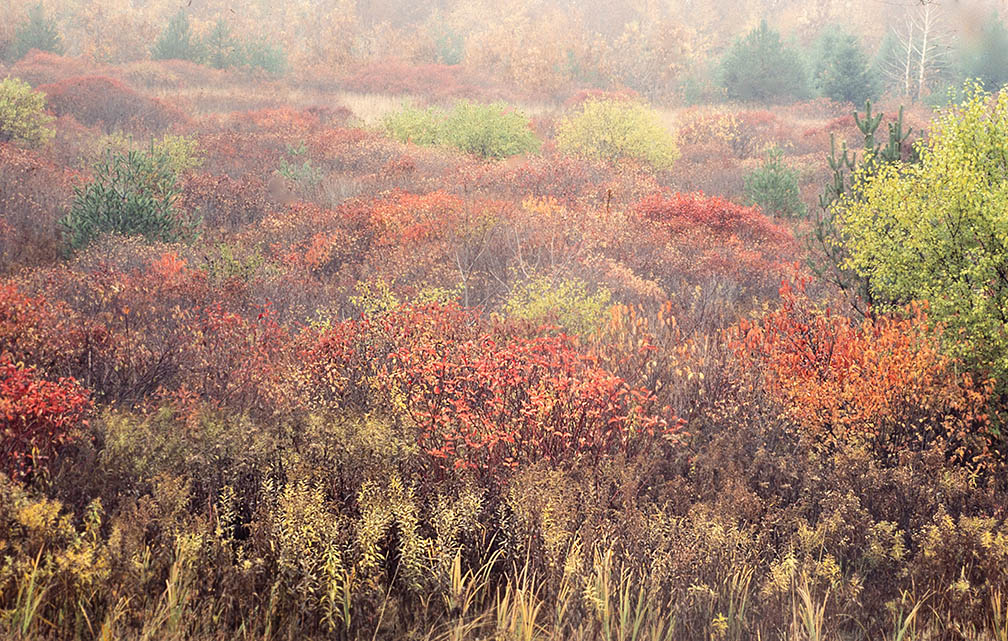 Foggy Tapestry 2
Another texture-pattern photo, the image feels like a painting from an impressionist artist because of the "softness."
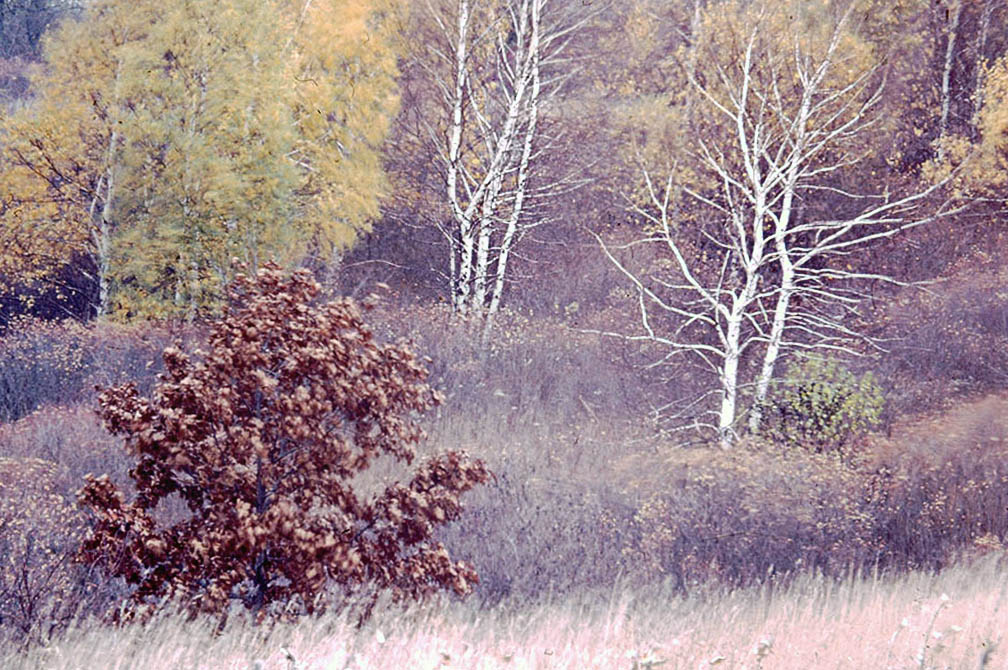 Birch or Aspen From a Distance
Patterns in nature never go out of style, but the way we see them is shaped by our roots. Looking back at work from a 1982 RIT Nature Photography course, we rediscover the intricate, painterly details of the landscape that still resonate in the high-definition world of today.
Critiquing the image below by a far more intelligence than me, the image is structured in three clear horizontal bands that tell a story of forest succession.
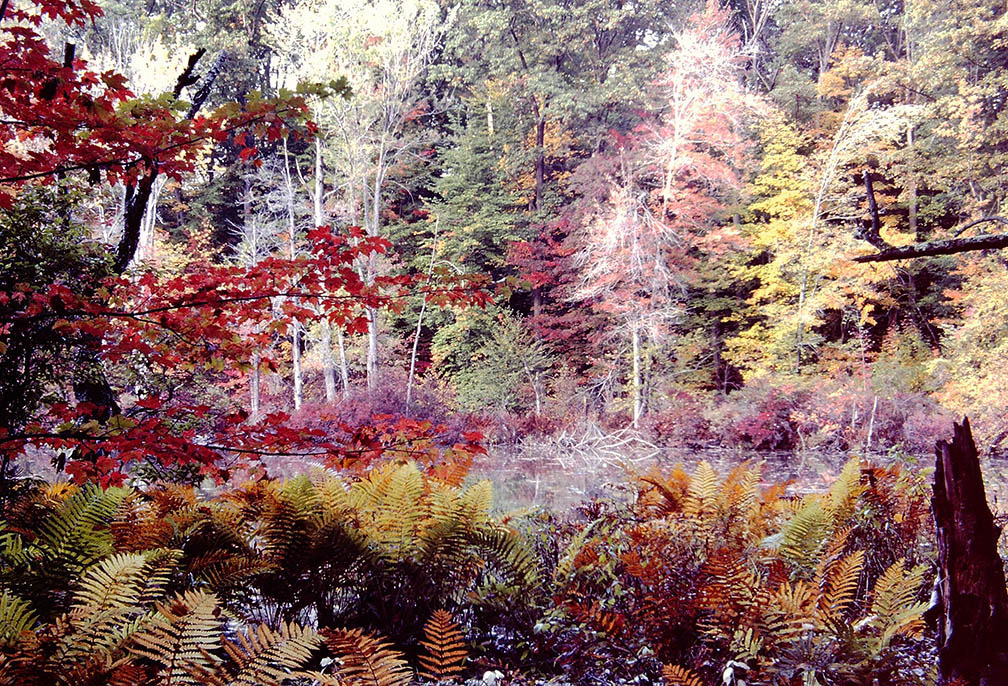 Ferns Surrounding The Pond
This is an extremely busy composition, but my photography instructor ranked it as one of his favorite images in my portfolio.
Where There's Water There's A Photo
This is where I learned a lesson about how a camera's light meter can get fooled. The dark areas of the photo "fool" the camera into adding exposure and over exposing the cascading water.
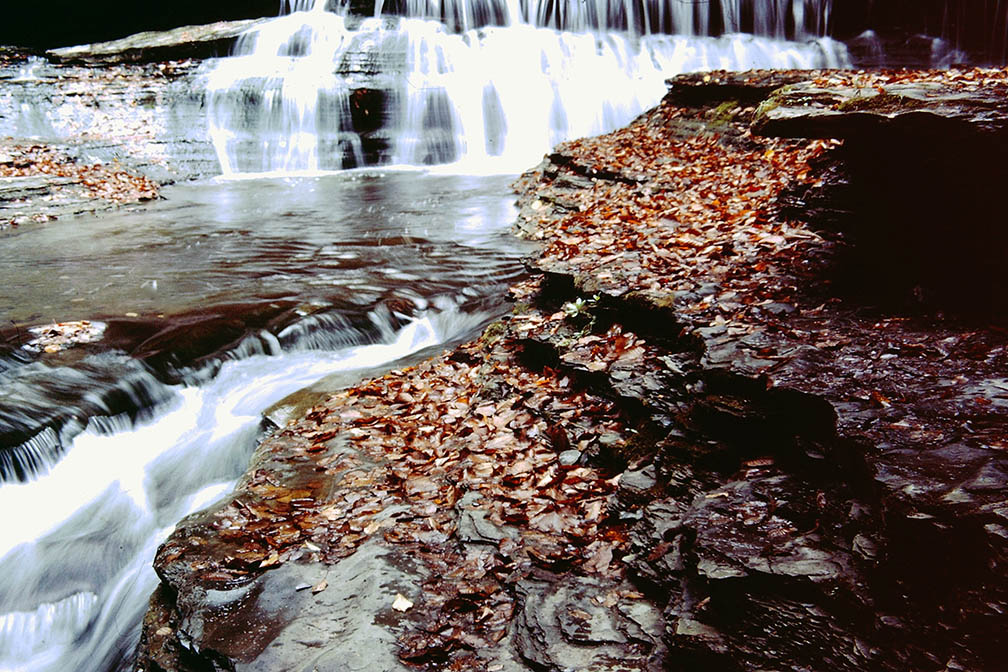 Cascading Water
Use a tripod and a extremely slow shutter speed to get a surreal blur to the cascading water.
CRITQUE OF THE RED MAPLE PHOTO BELOW
Balance: The leaves are scattered in a way that feels accidental yet perfectly balanced. They lead the eye in a diagonal sweep from the top right down toward the bottom left.
The "Unseen" Water: The image is effective because it suggests a medium (water) without showing a clear surface. The slight distortion and the way debris clings to the leaves imply a liquid environment, adding mystery to the composition.
Cropping: The tight framing removes any sense of horizon or scale, forcing the viewer to confront the details of the forest floor as a self-contained universe.
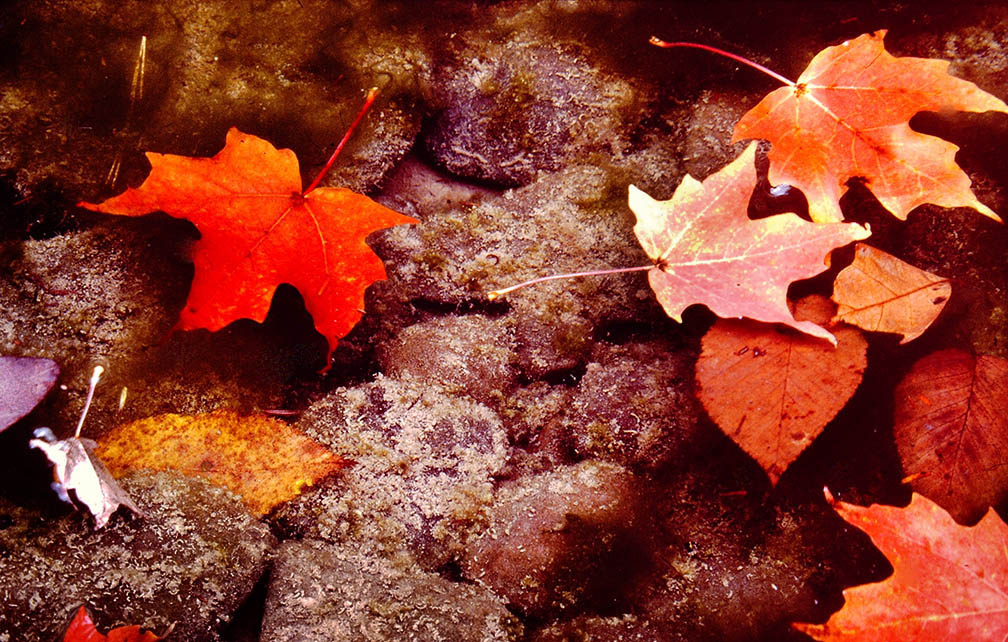
In this image I was real happy with how the leaves' shadows made them look as if they were floating above the lichen-covered rocks.
Normally a white sky is undesirable (See below), but in this case, the sky in the top of the photo was balanced with the light-colored grasses in the foreground.
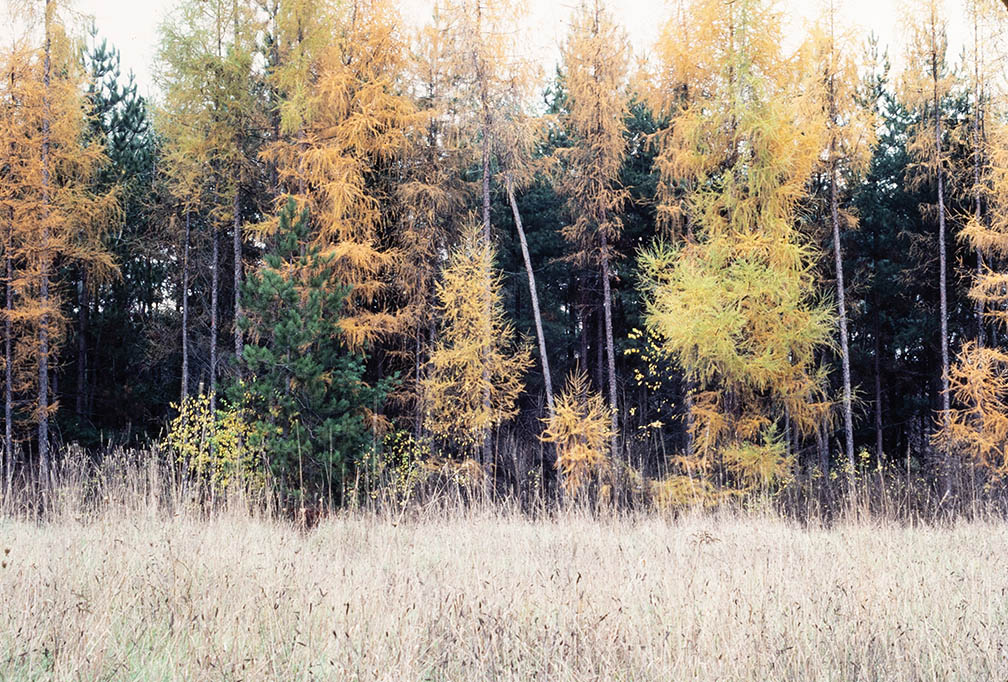 Whispering Woods
Another one of my favorite photos that I took during the nature photography class was the photo below. The original slide's color balance deteriorated over the years to such an extent that I couldn't correct it. I opted with converting it to a black and white image and I was quite happy with the result.
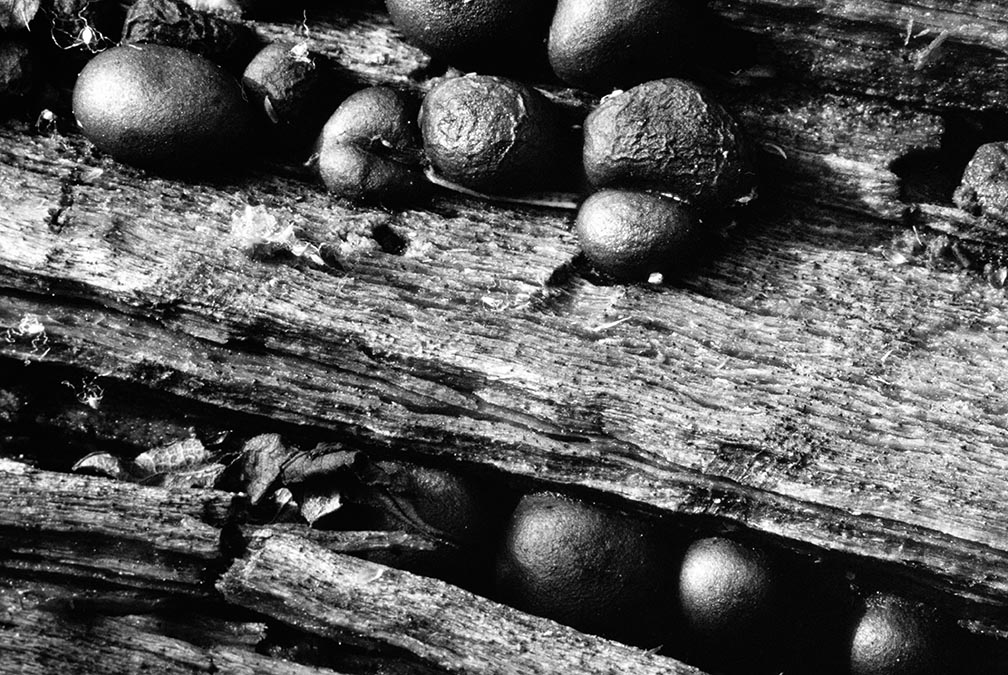
The roundish objects that look like seeds are interestingly enough small fungi growing in a splinter log. Nature is amazing!
Closing Thoughts
Although we lost some image quality from the copying process of the original 35mm slides and the over 40 years of storage, I enjoyed sharing these photographs with you. My hope is that you've enjoyed looking at them. I've also posted images from my senior year at RIT, where I designed my own photography assignments. See the 4x5 original images here.
One of my goals is to inspire visitors to my website to appreciate this amazing planet through the magic of photography.

Bruce Lovelace is the publisher of TravelingPhotographer.com. Bruce shot portraits full time for over 35 years. Now he shoots more travel photography. Read more about him on the About Page. He also publishes how to articles and camera gear reviews at the Photography Tips and Canon Geek websites.
The Traveling Photographer Location on Google My Business
You might like these
My Photography Assignments at RIT, Rochester Institute of Technology
Startling reality of what I learned from shooting photography assignments at RIT
Photography as Grief Therapy-A Personal Photo Assignment Black + White
Grief Therapy. Healing through Photography. An emotional retrospective during a time of personal upheaval. Black + White Slides: Photo Assignment: When Dad Died
Traveling Photographer Equipment Used by Photographer Bruce Lovelace
2025 Updated equipment list. Whether it's landscapes or portraits, macro or sports shots, nature or travel images, camera gear of the Traveling Photographer





© 1993-2026 All images and content are copyrighted
The Traveling Photographer - 124 Magnolia Ave. Pitman NJ 08071