My Photography Assignments at RIT
How you evolve as a photographer depends on many factors. My photography assignments at RIT (Rochester Institute of Technology) revealed several of my photo shooting tendencies and shaped my 45 year career as a pro photographer.
You too can get a good idea of how your photography might develop by viewing these images and reading my self-critiques and comments. Taking an inventory of what type of photos you like to look at, what you like to photograph, as well as what you are already talented at photographing, will help guide you.
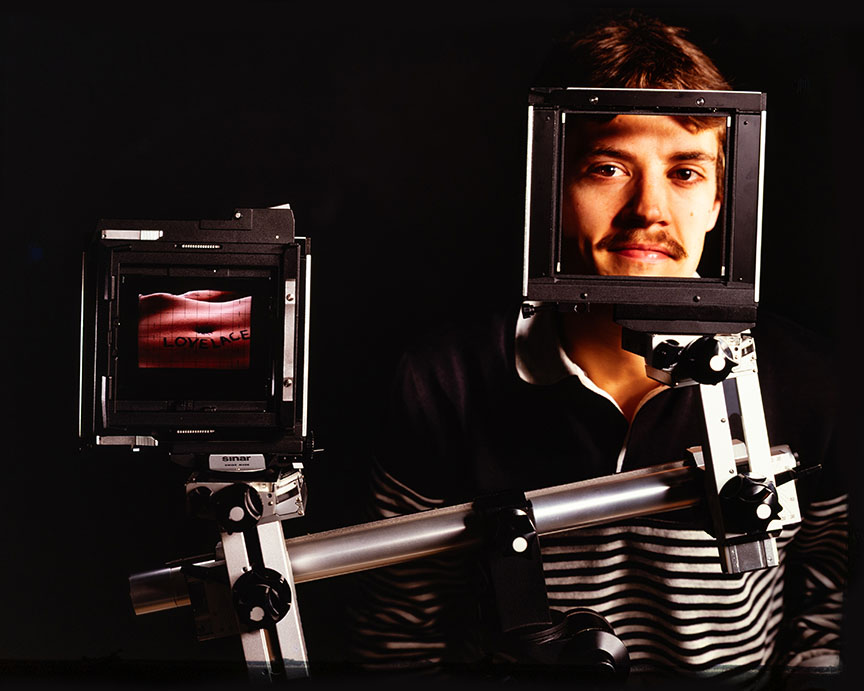 Originally shot with a 4x5 inch view camera.
One of the photo assignments that I had was to create a few self-promotional images.
I really didn't think this one through ahead of time
I was able to combine my junior and senior year at RIT, based on earning college credits previously elsewhere. That enabled me to direct some of my own course of study. That included creating images like the one above that I could use to promote myself as a creative competent photographer.
All images in this post were shot using using 4x5 inch transparency sheet film and my large format "view camera" in the early 1980s. I recently photographed these transparencies using a digital camera and macro lens to use the images in this article.
Fascination With Light
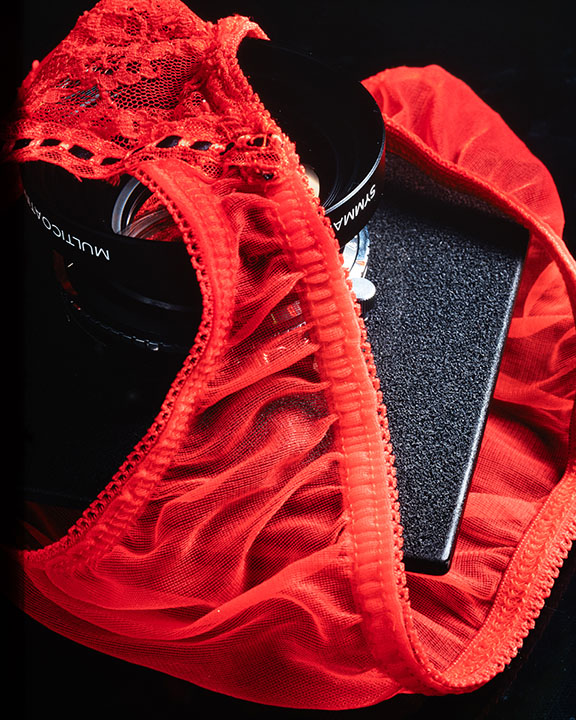
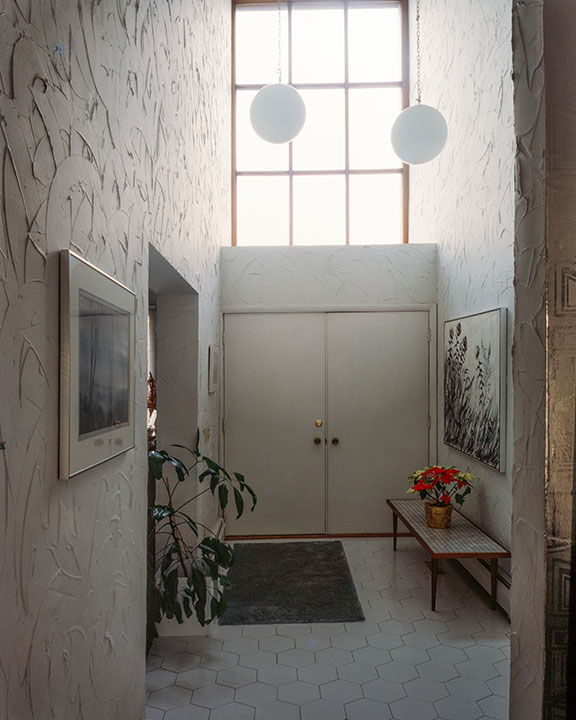
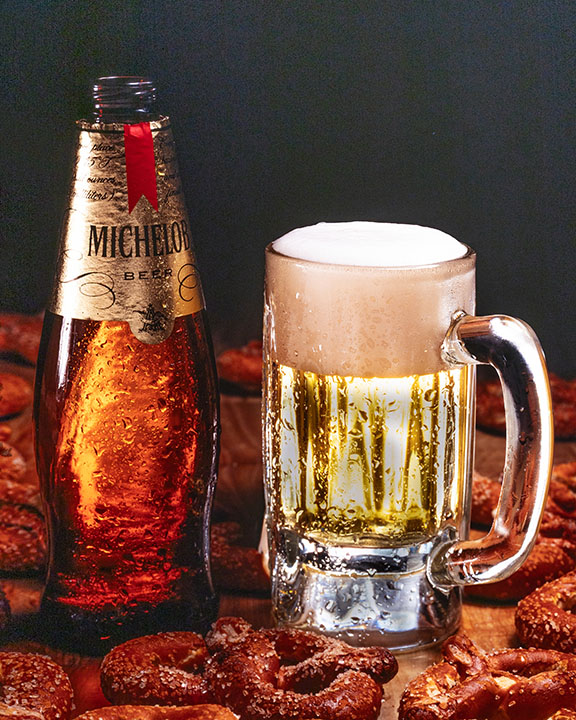
Likely more than any other reason for choosing photography as a career has been my fascination with light. How light can reveal characteristics like shape, color, texture, and create mood in so many different ways is to me, remarkable. The two close-up photos below were taken my last year at school and the center house interior was taken my first year as part of an architecture photography assignment.
 Risqué Photography
 Natural Light Interior
 Classic Beer Advertisement
Of course, the best part of having a fascination with light is that it can change or be changed and get a completely different result. ALL types of photography are dependent on lighting, whether you control it or simply find it.
Assignment: Working With Live Models
Ironically, in the beginning, before my very fist class, I envisioned myself as a commercial/advertising product photographer and had no interest in photographing people for a living. As it turns out, live models are often needed in advertising photography.
There was an ample supply of young people who agreed to be photographed as I practiced my craft. In theses first two examples I did not obtain model releases at the time, so I've blurred out their faces for this article.
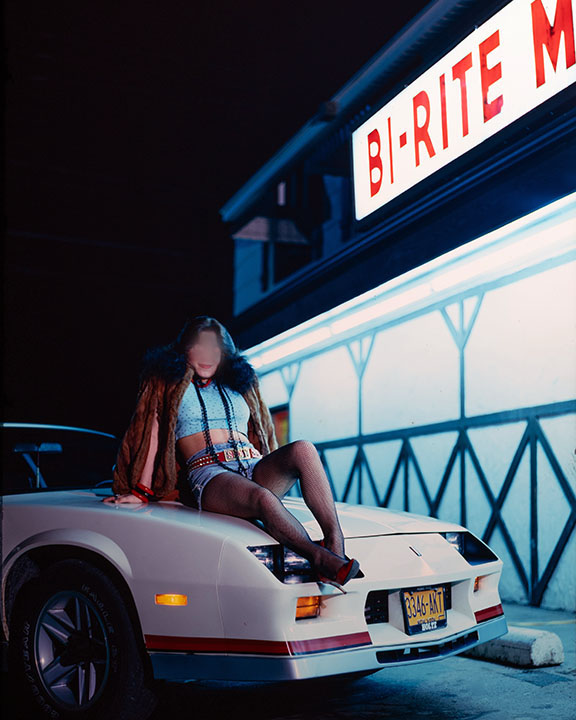 The light from the building was perfect
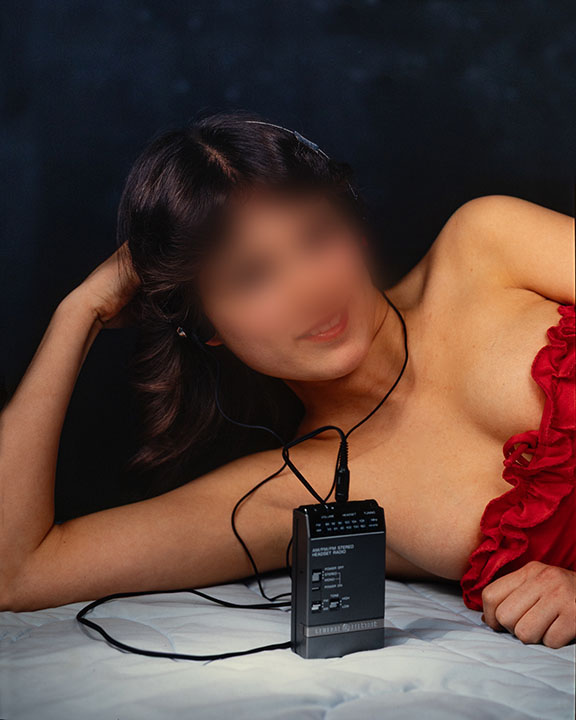 I did a poor job at lighting this one.
In the advertising photo below, my idea was to creatively show the mood-changing effect gained by the man on the right from listening to his portable music player. I attempted to create a view as if it was through the bathroom mirror in the morning as these 3 gentlemen getting ready for their day.
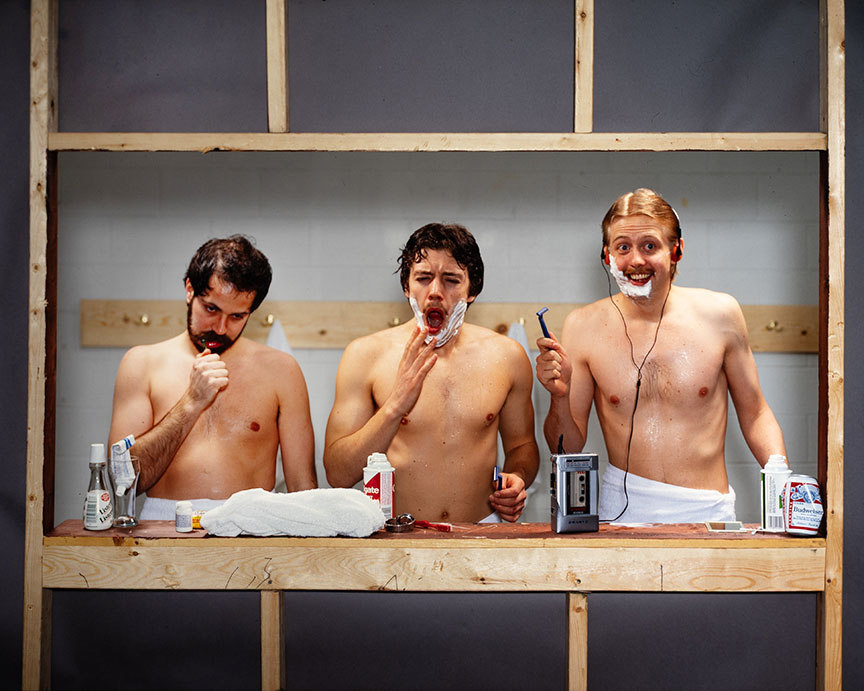
We built the set, brought all the props, and got the shot in less than 4 hours. The biggest shortfall: the product was not lit sufficiently. That's me yawning in the middle.
Assignment: Shiny Metal Engine Parts
One type of photography that can be tricky to light properly is shiny metal and similar highly reflective objects. It can be tough to balance the brightness of the spectral highlights with the details in the shadows.
I knew a local car mechanic who brought me various engine parts and these are a few of my better images resulting from this assignment.
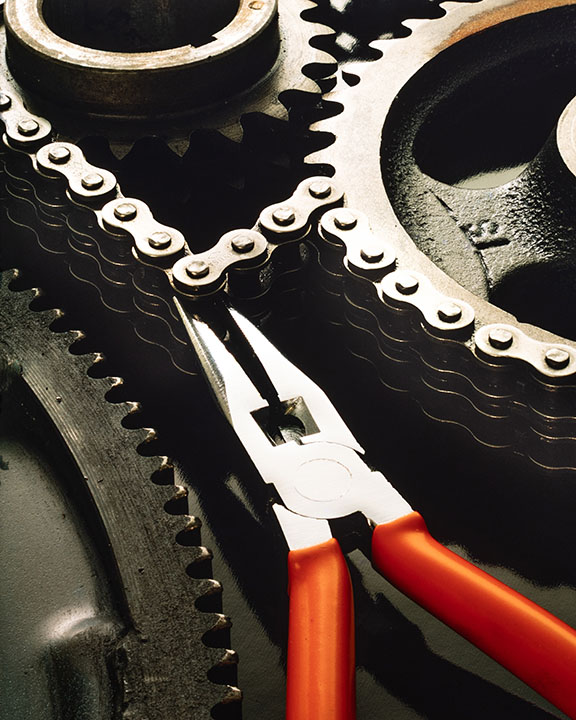
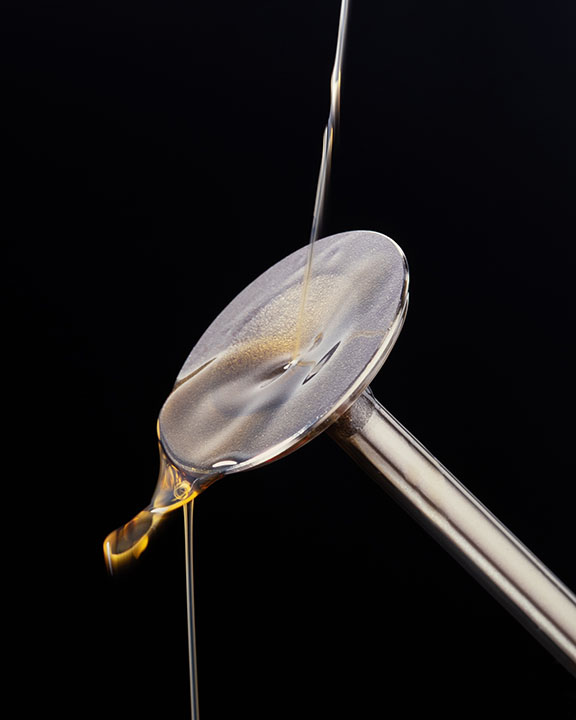
I intentionally composed the two images above to have strong diagonals, one of the basic compositional techniques that often gives pleasing results.
In the head gasket image below, the light was a little hot on the lower right, but I was pleased with the compositional balance.
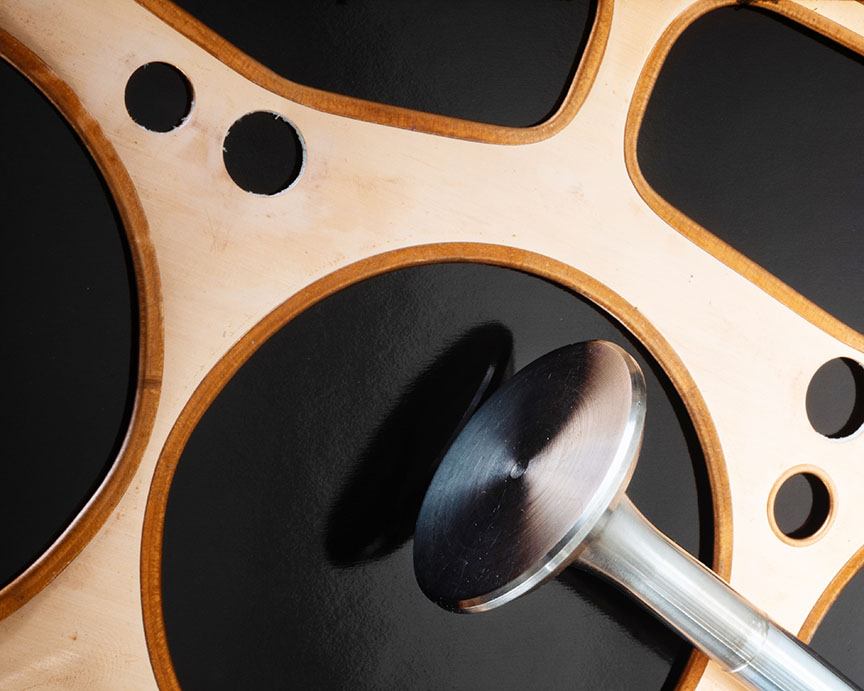 "Head Gasket"
The head gasket seals the cylinders to prevent leaks of coolant or engine oil into the cylinders, and vice versa
The photo below of the engine rocker arms reveals one of those tendencies that I migrate to frequently. The use of repetition of smaller repeating objects with one contrasting element as the main subject is a format that I often follow.
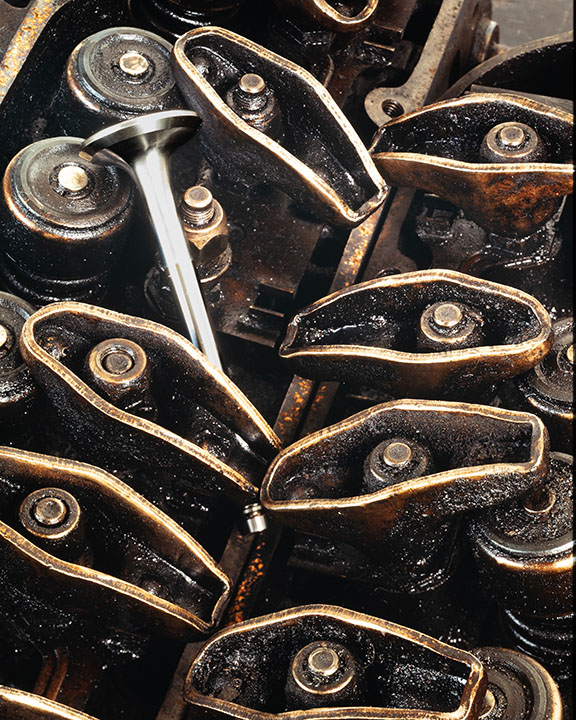 "Rocker Arms"
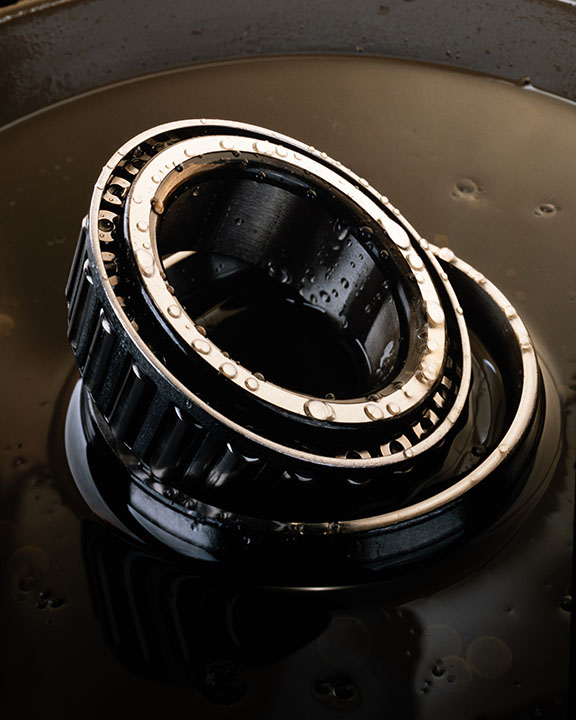 "Roller Bearings"
Assignment: Ordinary objects Turned Into Fantasy
One of the things I discovered when I was exploring was my affinity for shooting subjects with repeating elements. These plastic Slinky toys were perfect fo the Time Tunnel and Loch Ness photos below.
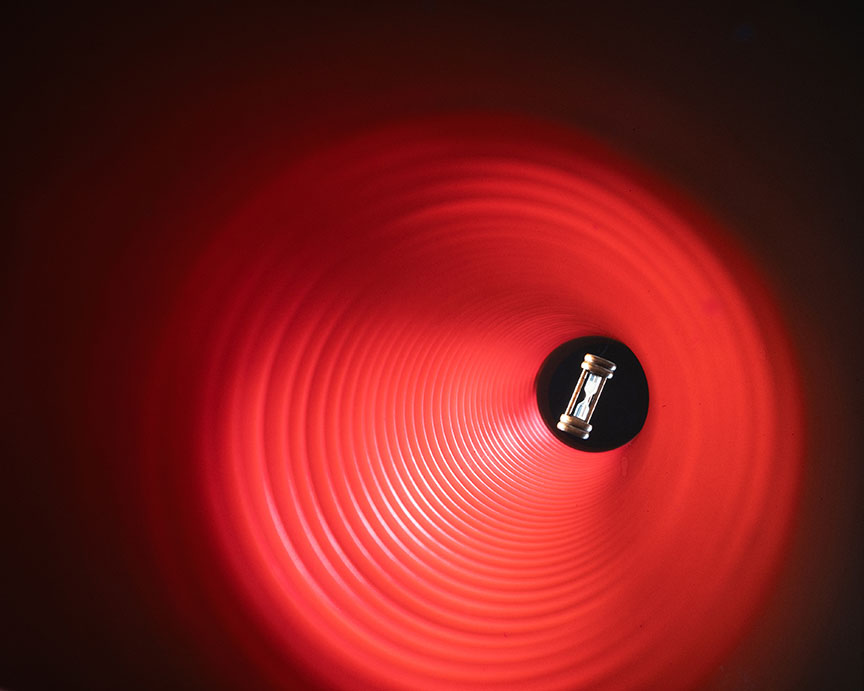 "Time Tunnel"
(I did an in-camera double exposure with this image)
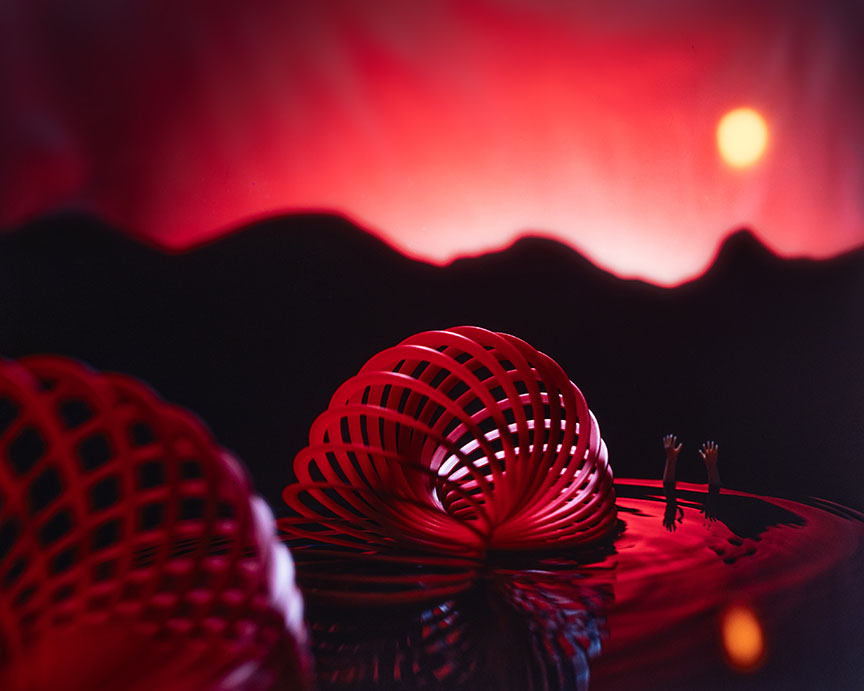 Loch Ness Slinky Monster
(Shot on my kitchen table)
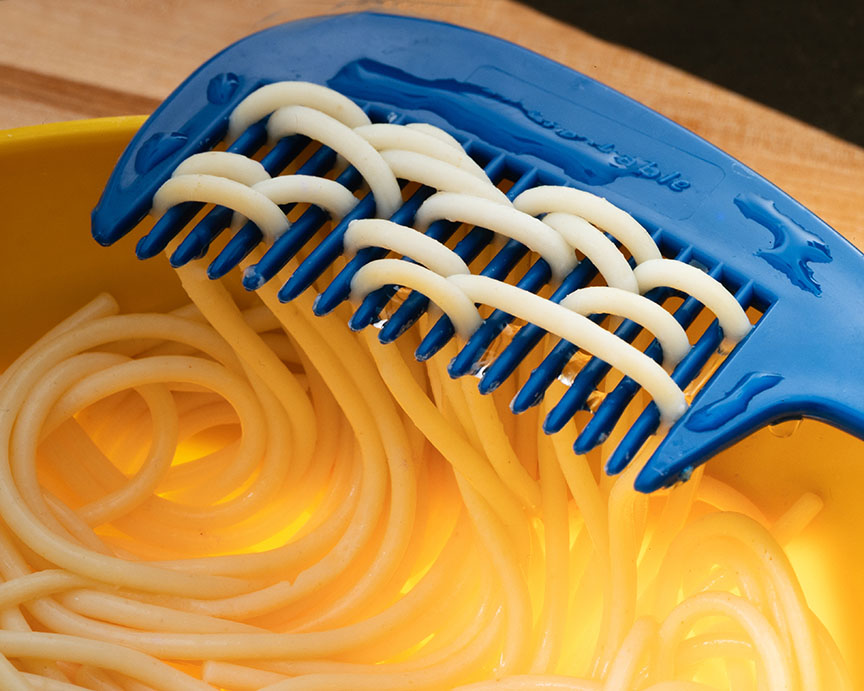 Using a comb to make your spaghetti look its best
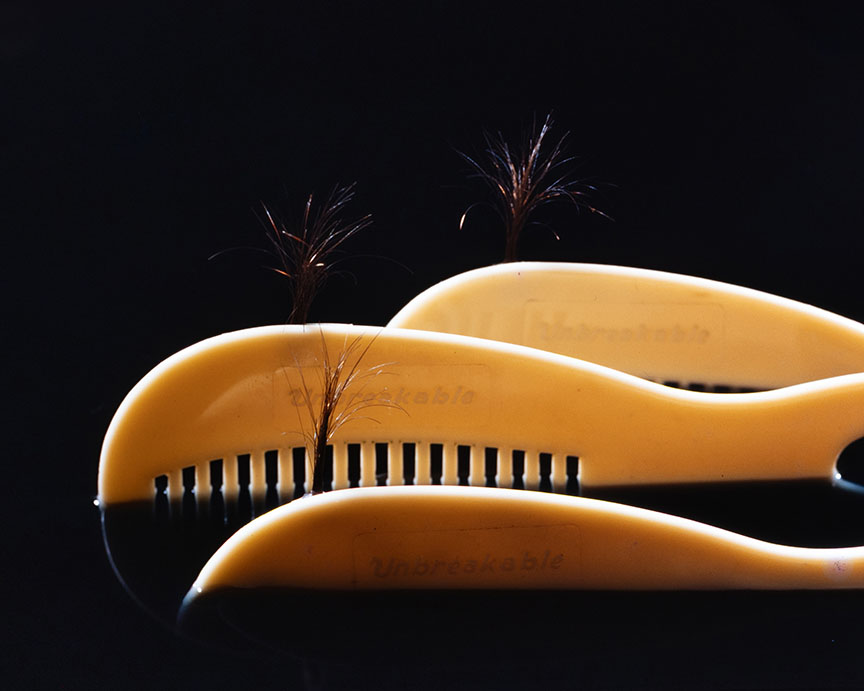 Spouting Whales
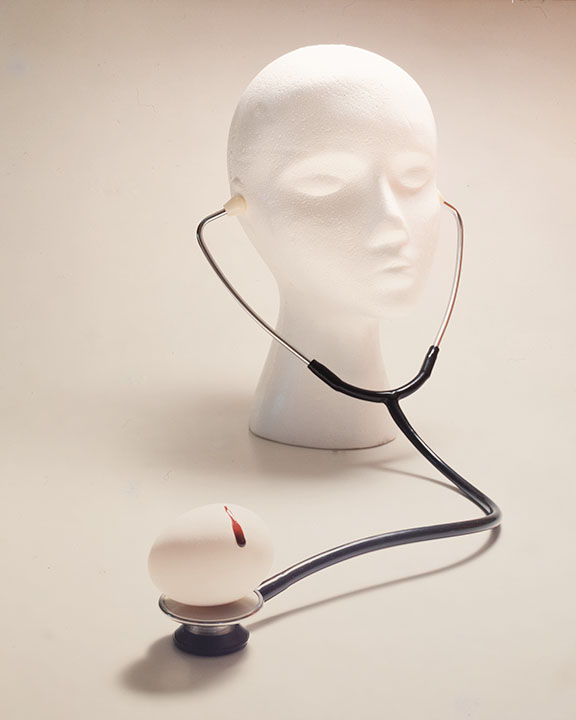 Can you hear the bleeding egg?
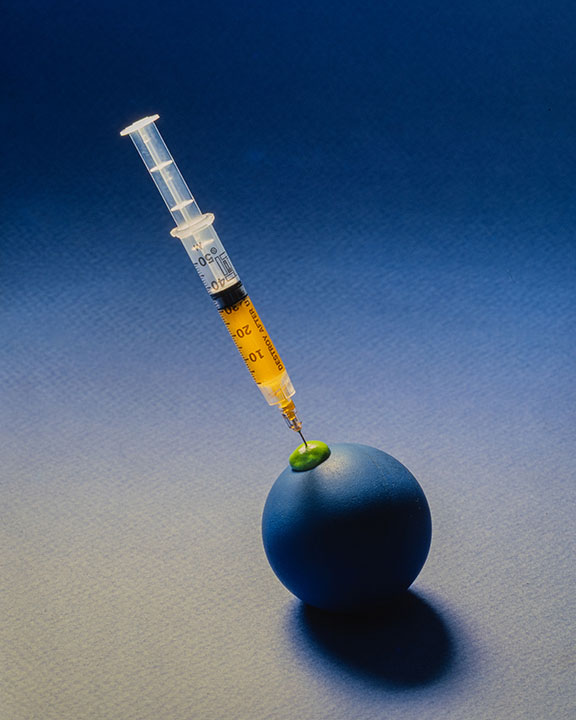 Yellow and blue makes green
Assignment: Improvised Uses
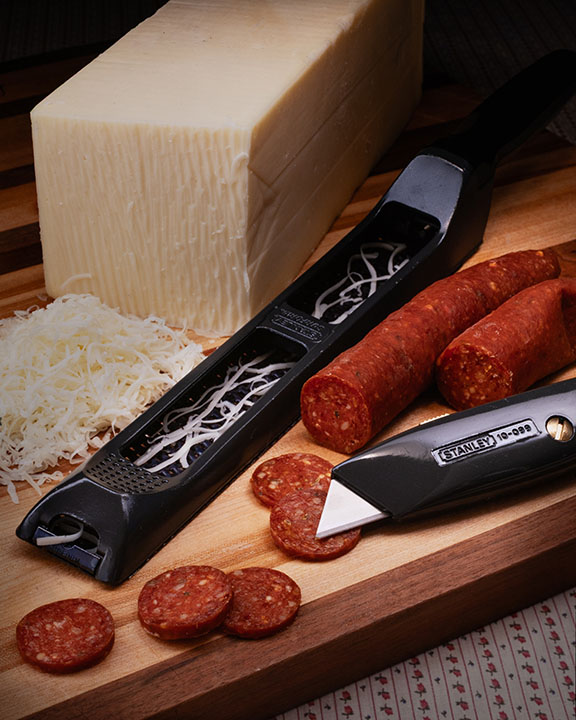 "Food Preparation Tools"
One of the photography projects I came up with involved using traditional tools and food in still life compositions.
I temporarily "confiscated" a few large blocks of cheeses from the convenience store where I worked, took the photos in my apartment and returned the cheese to the store the next day.
I was disappointed with most of the images, but I did like this one of the grated cheese and pepperoni.
The independent study that I undertook my senior year at RIT revealed my enjoyment of trying new ideas, no matter how strange and unique.
My main goal was to create "visual interest" in my photos, no matter what the subject.
It was unusual for me to have twenty dollar bills available when I was in college, but I did for this composition below. I had to buy a pack of cigarettes, too.
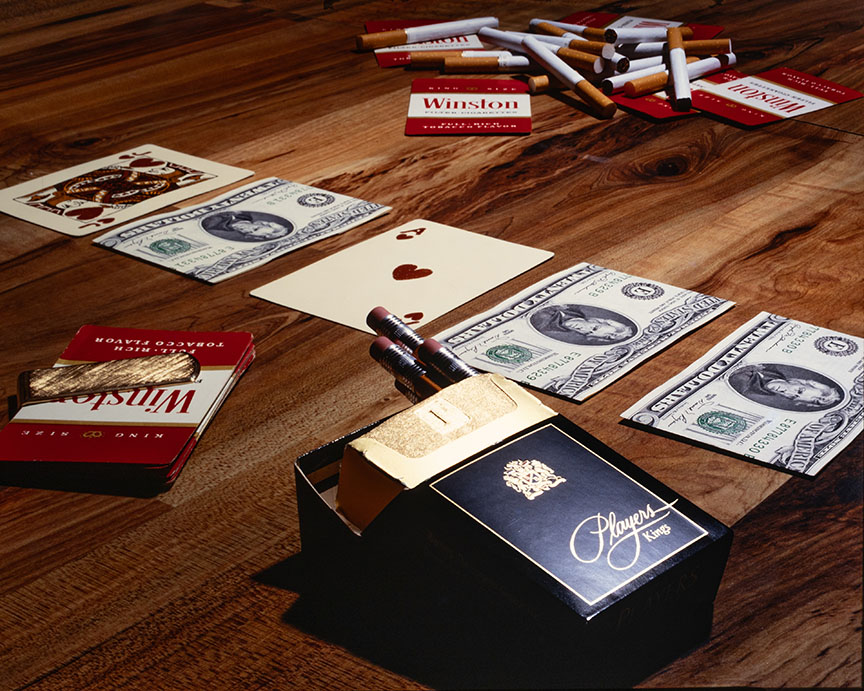
The photo was a little contrasty for my liking and the gold money clip on the Winston playing cards on the left was not lit very well (shiny metal).
Another idea I conjured up for an "improvised photo" was the spaghetti photo below. I was able to use my wife's latch hook tool and yarn. The salad is just a green cloth hand towel.
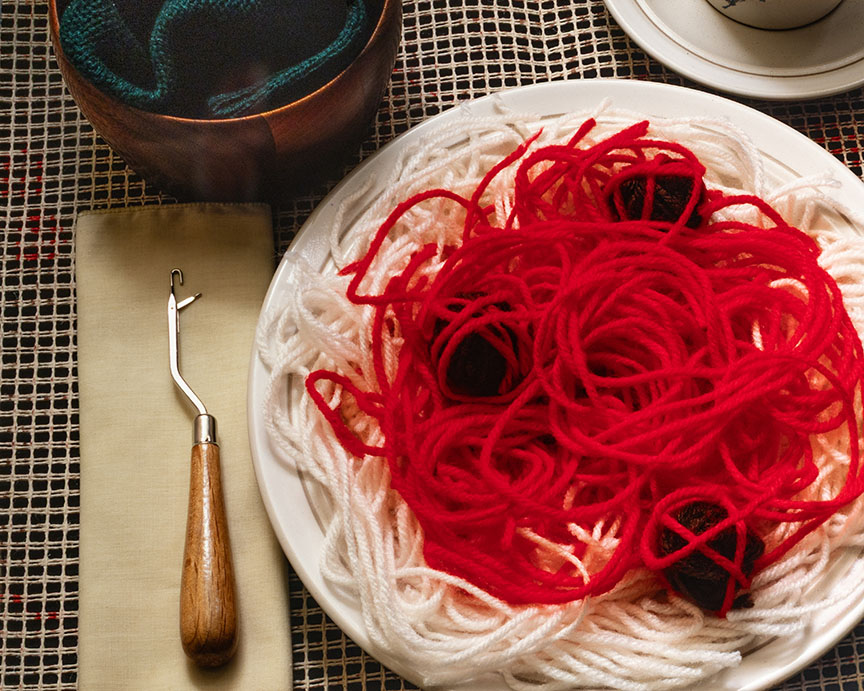 "Yarn For Dinner"
The three meatballs would have benefitted with more direct light to bring out the details.
The Whitman Sampler photo below was another attempt at creating a photo that tries to get the viewer to question the meaning behind it.
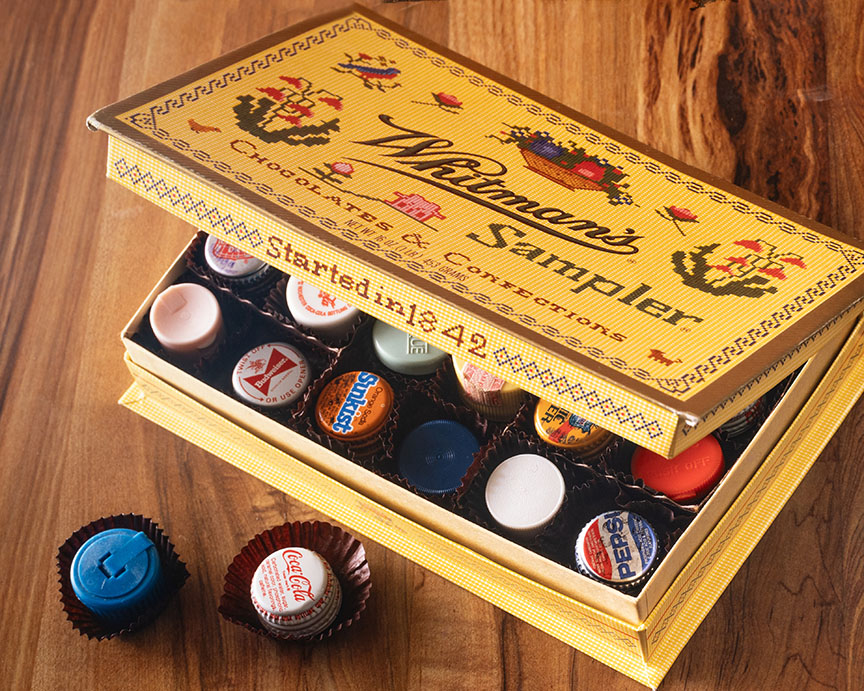 Whitman Sampler
First offered in 1912
Assignment: Nature Photography
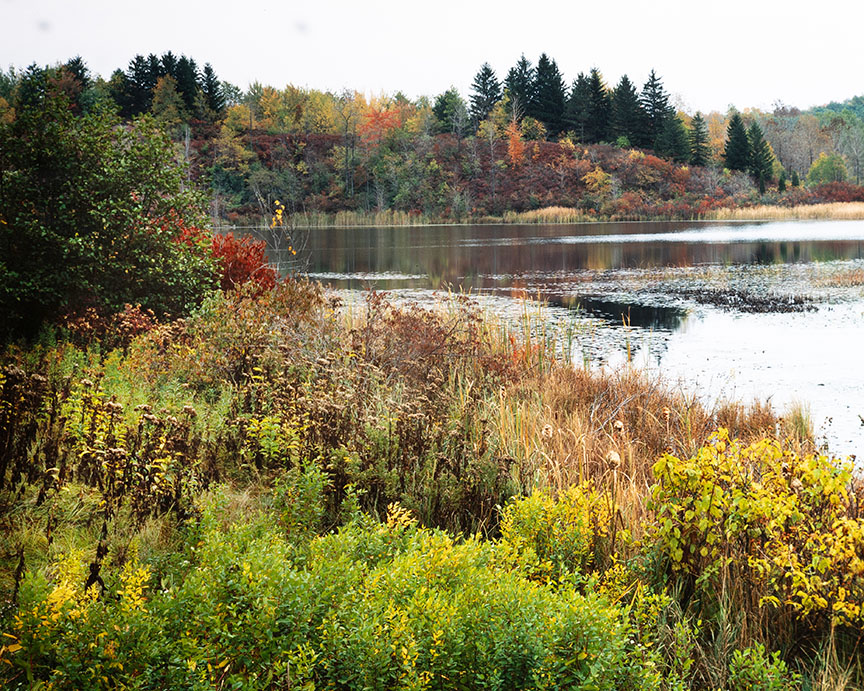
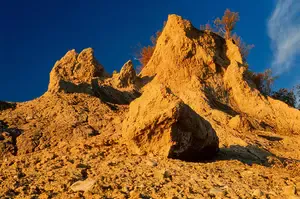
Sadly, I have no idea where I took this photo below. At the time, before the internet or websites or digital photography was even a concept in someone's mind, I had no idea that I'd be sharing it on the web.
The sky was not cooperating to give me a stunning landscape photo, but I still included it in the composition as one of four relatively balanced areas; the sky, the trees, the grass, and the water. A polarizing filter would have helped darken the water and would have improved the photo.
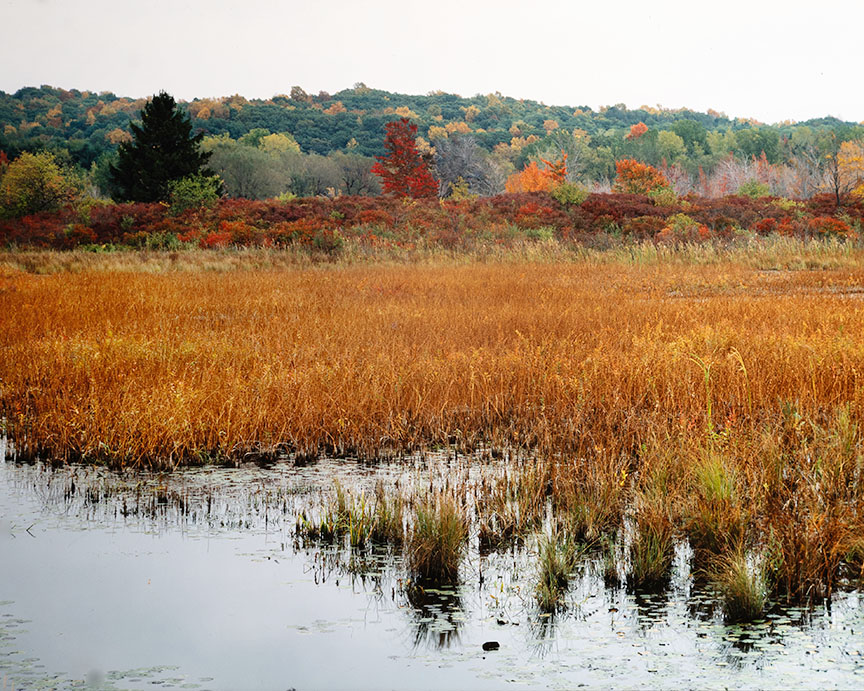 "A Balance of Nature"
The brilliance and accuracy of the colors that 4x5 Ektachrome film produces is spectacular.
One of the tricks I learned later at a macro photography workshop was the concept of one subject against one background. The two photos below show that it's a technique that can be very effective.
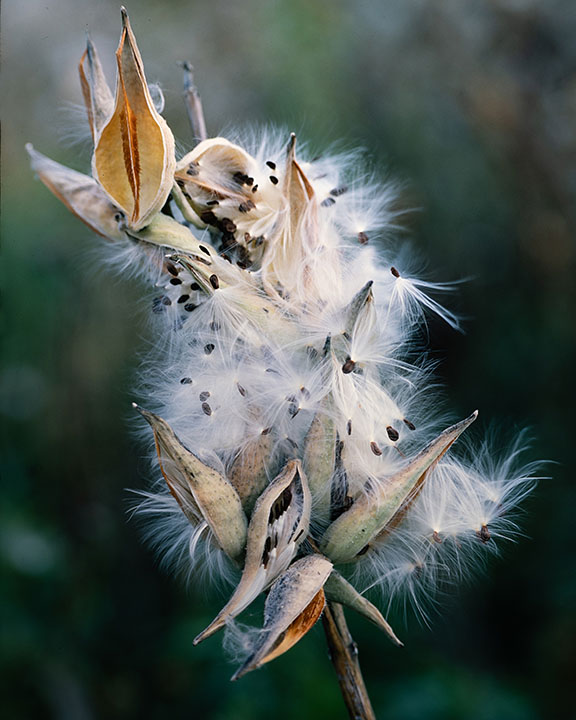
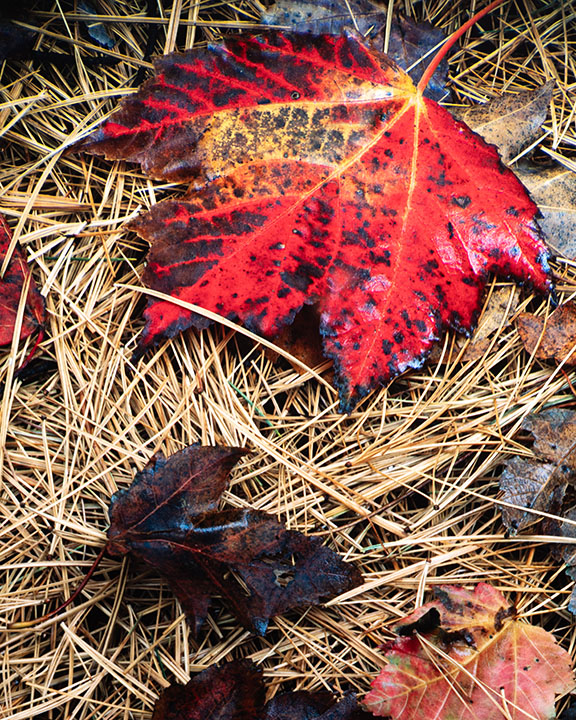
 "Colorful Palette"
"Introduction to Nature Photography" was my favorite course during my 3 years of study at RIT. See my separate post on my RIT Nature Photography class. I only wish that I had more time to shoot more 4x5 sheet film rather than the 35mm slide transparencies.
Summary of My Photo Assignments At RIT
It's a great time to explore your creativity and finding a direction for your photography. I explored mine during my college days at RIT. These 4x5 inch transparencies have been hidden in storage for over 40 years, with no one able to view them. Until now!
All of these photos certainly weren't successful, but I learned a lot when making them. I hope these images from my days as a student give you motivation and inspire your creativity!

Bruce Lovelace is the publisher of TravelingPhotographer.com. Bruce shot portraits full time for over 35 years. Now he shoots more travel photography. Read more about him on the About Page. He also publishes how to articles and camera gear reviews at the Photography Tips and Canon Geek websites.
The Traveling Photographer Location on Google My Business
You might like these
Photography as Grief Therapy-A Personal Photo Assignment Black + White
Grief Therapy. Healing through Photography. An emotional retrospective during a time of personal upheaval. Black + White Slides: Photo Assignment: When Dad Died
Traveling Photographer Equipment Used by Photographer Bruce Lovelace
2025 Updated equipment list. Whether it's landscapes or portraits, macro or sports shots, nature or travel images, camera gear of the Traveling Photographer
Images From a Nature Photography Course At RIT-Before Digital Sensors
Take a nostalgic trip back to 1982. "Nature Photography" meant dawn alarms and manual focus. Captured during a semester at a premier imaging school, RIT


© 1993-2026 All images and content are copyrighted
The Traveling Photographer - 124 Magnolia Ave. Pitman NJ 08071